
Why Consumers Expect Pet Products to Match Their Homes
A decade ago, a bright scratch post could live beside the sofa because the sofa was not always the reference point. Today the reference point is the whole room—paint chosen or fixed, rugs layered, throws edited, lighting warm. Consumers now expect pet products to match their homes because cohabitation became the default script, and every object in the frame is judged like furniture.
Industry Updates observation describes the shift in plain terms: pet home goods moved from optional corner clutter to a category owners budget for. Online discovery leads with room context, not isolated product heroes. When a cat tree fails the first scroll, it usually fails on palette and proportion—not because cats refused the sisal.
The emotional layer matters. Pets function as family in daily language, and family objects do not get hidden behind doors when video calls start. That mindset turns purchase criteria outward: safety and material honesty still rank first, but home matching and space efficiency follow immediately—not as luxuries, as baseline hygiene for shared rooms.
Interior literacy accelerated the expectation. Design media trained a generation to read beige, soft grey, and warm minimalism as conflict reduction. Neutral interiors reverse-influence pet SKUs: owners start from sofa swatches and wall tones, then ask whether a tower belongs. Matching is no longer a stylist’s hobby; it is how renters survive fixed paint and how homeowners protect mood boards they already committed to.
Social rooms made the standard visible. Living-room photography—listing galleries, short clips, friend visits—turned pet gear into background actors. A loud pet symbol beside a calm sectional reads as noise in one glance. Furniture-style silhouettes win because they pass the side-table test: would you keep this object in the photograph?
Retail placement reinforced the habit. Pet home products increasingly share floor logic with decor and soft furnishings—slower consideration, longer intended room stays. Returns arrive with living-room images; mismatches register as decor failure before they register as pet failure. Buyers compare neutral lots the way they compare upholstery batches.
Home decision authority sharpened the bar. Households that control renovation choices bring pet products into the same conversation as rugs and lamps—and will pay more when integration is credible. Space-saving modular pieces matter, but only after the object earns its color envelope. A tower that saves footprint yet clashes still leaves.
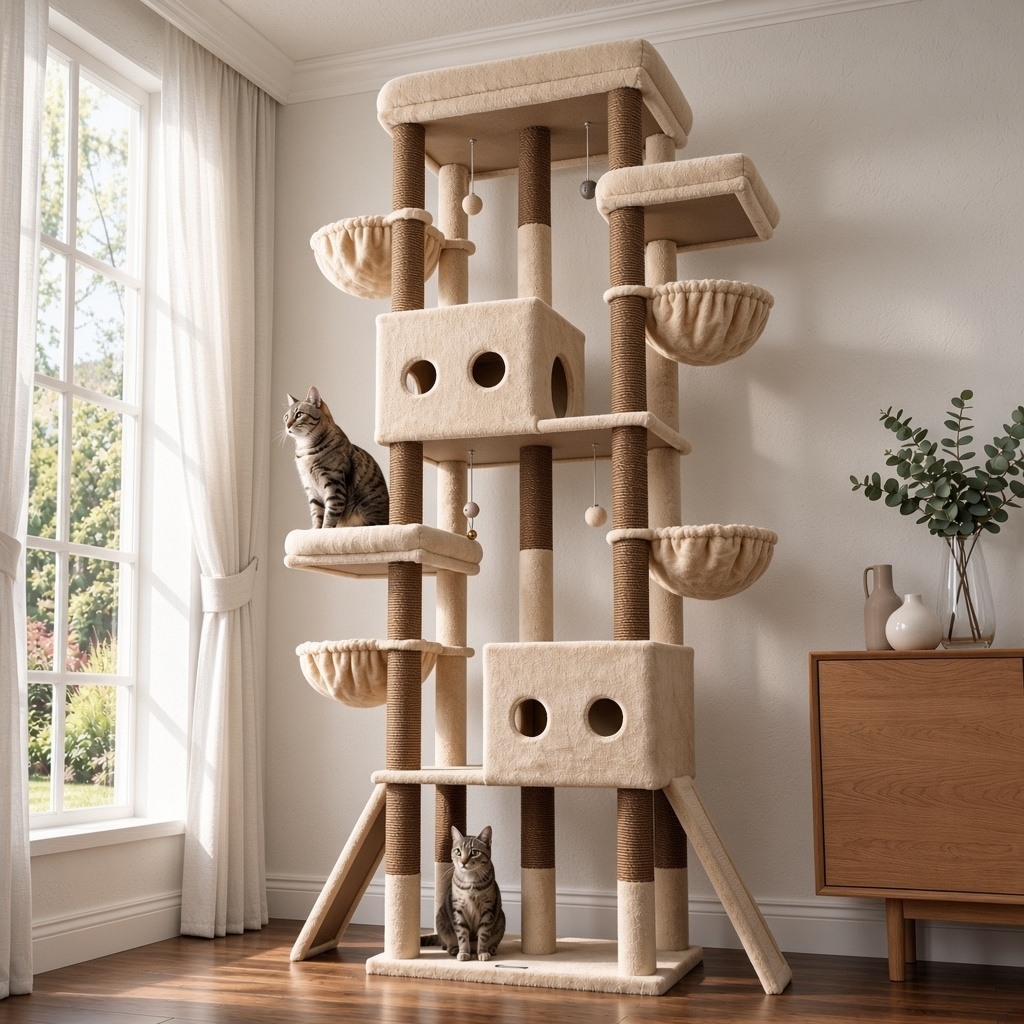
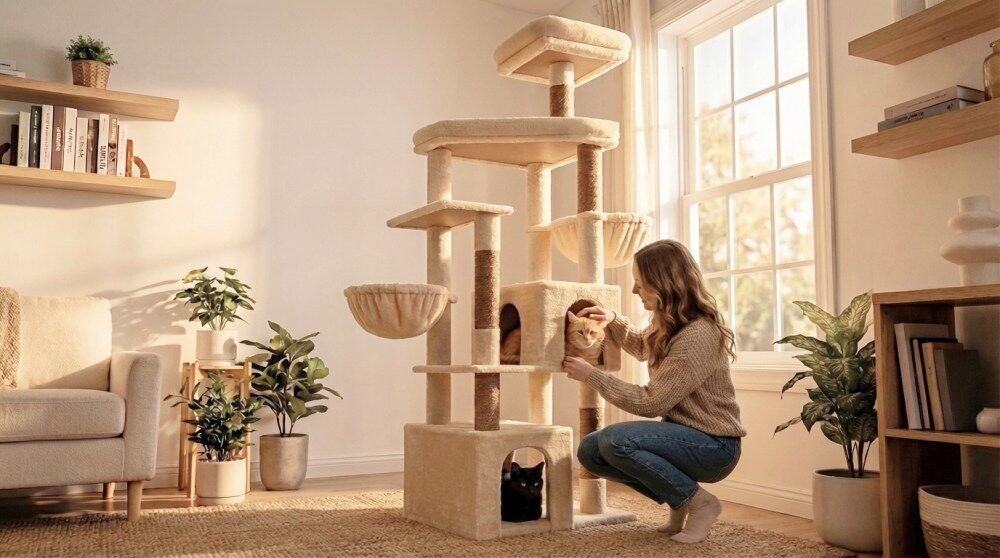
For tall vertical products, the expectation is specific. Owners want height without visual apology—slim planted profiles, honest sisal, platforms sized for pauses, palettes in disciplined neutrals. They want one edited object to replace a scatter plot of scratchers and perches that used to fight the same sightline.
Globlazer briefs echo the pattern across markets: Beige, Dark Grey, and Light Grey families that survive rug refreshes; structures calm enough for open-plan walkways; documentation that helps a replacement post match years later. Home matching is not a marketing adjective—it is the purchase standard because the room already had a point of view before the cat arrived.
The standard will keep rising as pet home categories mature. Emotional value and aesthetic value now sit beside function in the same cart decision. Consumers expect pet products to match their homes because the home stopped being a backdrop. It became the first reviewer—and it rarely grants second chances to objects that shout in a quiet frame.
Brands that treat matching as finish color alone will miss the point. The deeper expectation is compositional: proportion beside seating, texture beside upholstery, stability visible in the first second of a listing clip. When pet products meet that bar, they stop feeling imported from a pet aisle and start feeling specified—like something the room was waiting for.
New Arrivals
Fresh designs, new colors, and limited releases for modern cat homes.