
The Early Trend of Soft Minimalism in Pet Furniture
Minimalism in interiors matured years ago—white space, honest materials, fewer objects with more intention. Pet furniture is only now catching the softer version of that idea: not empty rooms, but quiet ones. The early trend of soft minimalism in pet furniture is still forming, yet the direction is already visible in the rooms owners send us and in the towers they keep instead of hiding.
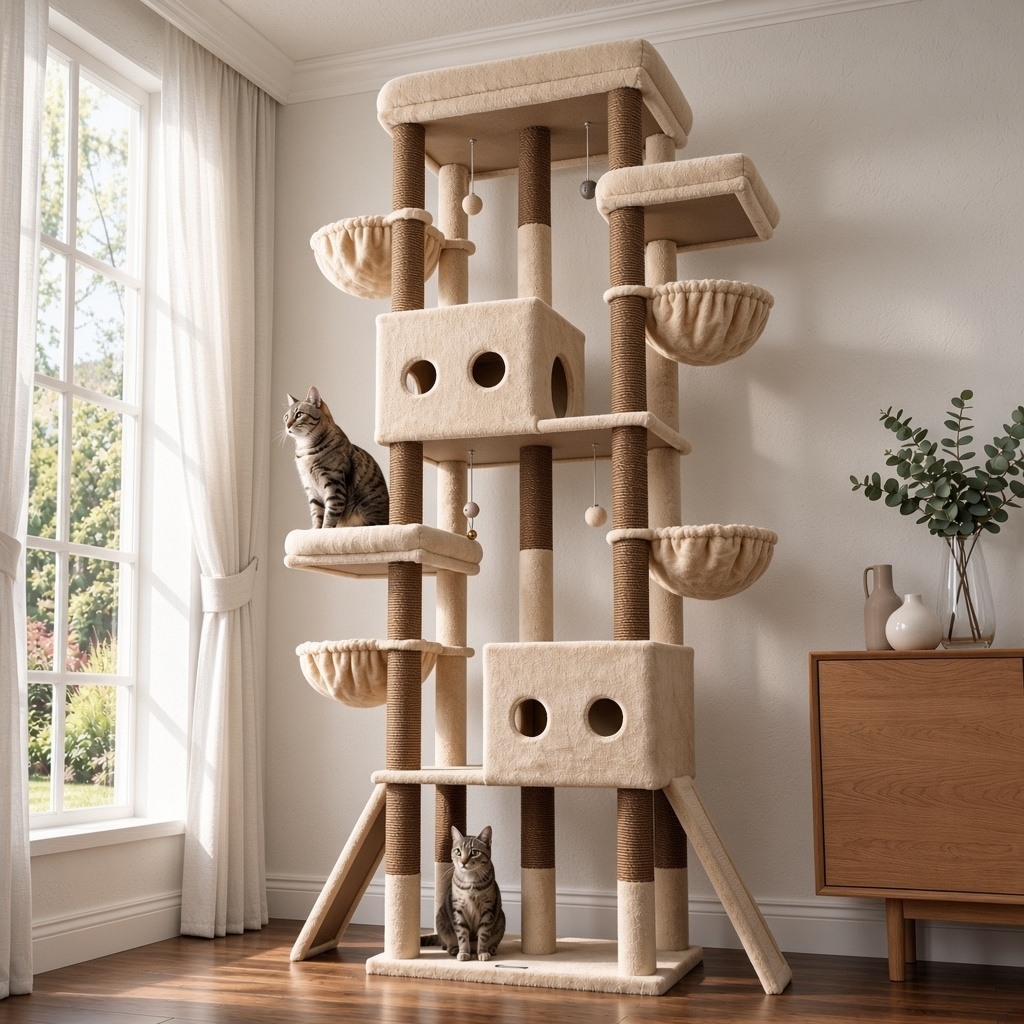
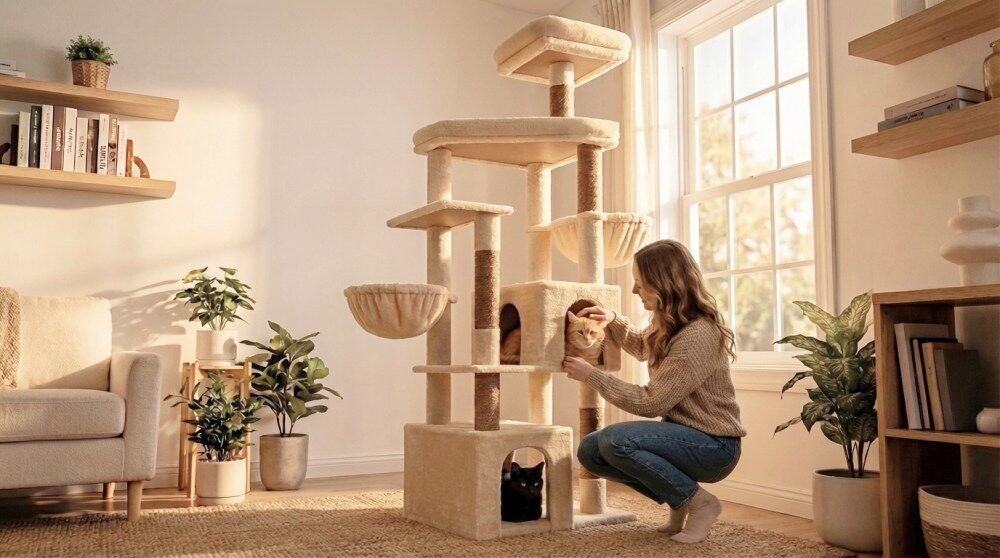
Soft minimalism in pet products looks like rounded platform corners, neutral plush without neon accents, and silhouettes that could sit beside Scandinavian- or Japanese-influenced furniture without apology. It is minimalism that still feels warm, because cats need texture, not glass. The edit is visual, not behavioral. Perches remain. Sisal remains. Height remains. What disappears is the circus: faux branches, bundled novelty toys, and three-color chaos on a single tower.
Owners increasingly run an informal test before a cat tree stays in the main room: would I leave this here if guests came tonight? That question sounds shallow until you remember how often the tower is visible on video calls, in casual photos, and from the kitchen sightline. A loud cat tree became as distracting as a loud chair. Soft minimalism is the pet category borrowing the same restraint home design already made—fewer shouting details, more durable quiet.
The trend is not about removing routes cats need. It is about organizing them. One clear climb path instead of decorative detours. Platforms sized for pauses and turns instead of shapes that only look interesting in a render. Sisal placed where daily scratching happens, finished so it reads as material rather than costume. Cats still want to shout from the top. The tower no longer has to shout with them.
Open-plan rentals and work-from-home layouts accelerated the shift. Pet products used to disappear when Company News arrived. Now they are in frame all day. That visibility rewards neutrals that survive redesigns and punishes novelty molds that felt fun for a week and embarrassing for a year. Early adopters are not chasing emptiness. They are chasing calm structure that still feels alive for the animal using it.
Globlazer has been building toward this language since 2023—neutral palettes across our cat tree lines, edited platform counts, furniture-style silhouettes that respect limited square footage. Soft minimalism names what owners were already asking for in messages and room photos: a tower that behaves like part of the room’s furniture story, not a temporary pet prop parked in the corner.
We expect the early trend to keep widening as more households buy their first serious cat tree instead of their third disposable one. When the purchase stops being a joke gift and starts being a layout decision, aesthetics stop being optional. The category still sells plenty of loud shapes, but the quiet ones are the ones we see beside new sofas, new rugs, and the slower, more intentional rooms people are building after years of clutter.
The early trend of soft minimalism in pet furniture is still early. Yet the direction is clear: pet furniture that whispers in a room cats still want to climb in. Globlazer will keep developing cat trees in that register—calm enough for the living room, engaging enough for the cat who owns it.
Watch the next wave of room photos and the pattern repeats: fewer towers covered in novelty fur colors, more neutral structures staying beside the sofa year after year. Soft minimalism began as an early design note. It is becoming the vocabulary owners use when they describe what finally feels like home—and the standard Globlazer builds toward in every calm cat tree line we develop for modern homes.
New Arrivals
Fresh designs, new colors, and limited releases for modern cat homes.