
Designing Cat Furniture That Feels Less Like Pet Furniture
The pet aisle taught cat furniture to shout. Modern living rooms teach it to whisper. Designing pieces that feel less like pet furniture is really designing for permanence—objects owners will not hide when guests arrive.
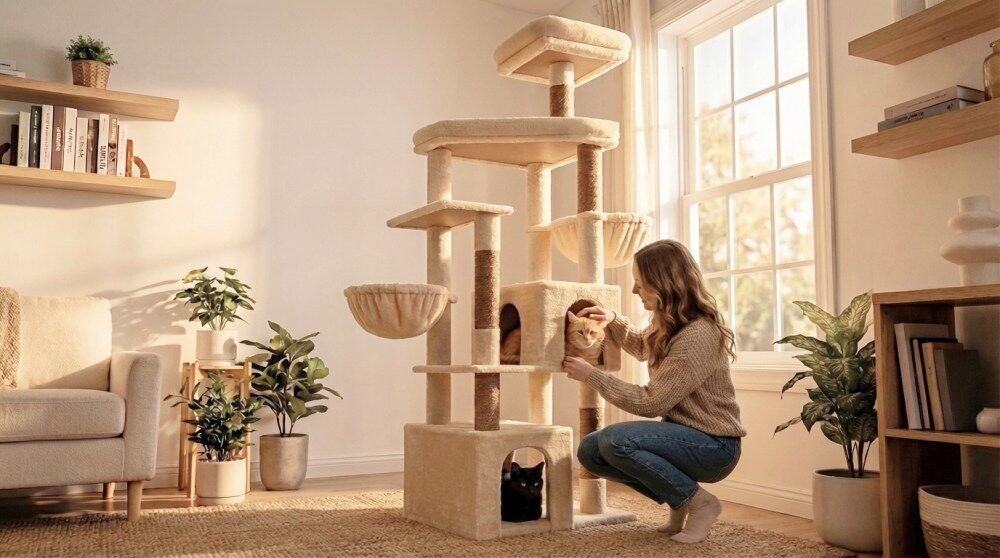
At Globlazer, we treat that goal as a material and proportion problem before it is a marketing phrase. A cat tree earns living-room citizenship when it borrows the same grammar as bookshelves and floor lamps: honest footprint, calm surfaces, structure that expects daily use.
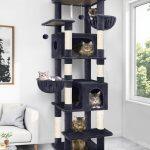
The first edit is deletion. Molded paw prints, neon carpet, faux branches that belong in a cartoon forest—each signal tells the brain “temporary accessory.” Furniture logic removes those signals and keeps performance: scratch columns, wide platforms, stable bases. Cats do not need novelty shapes to climb. They need reliable routes.
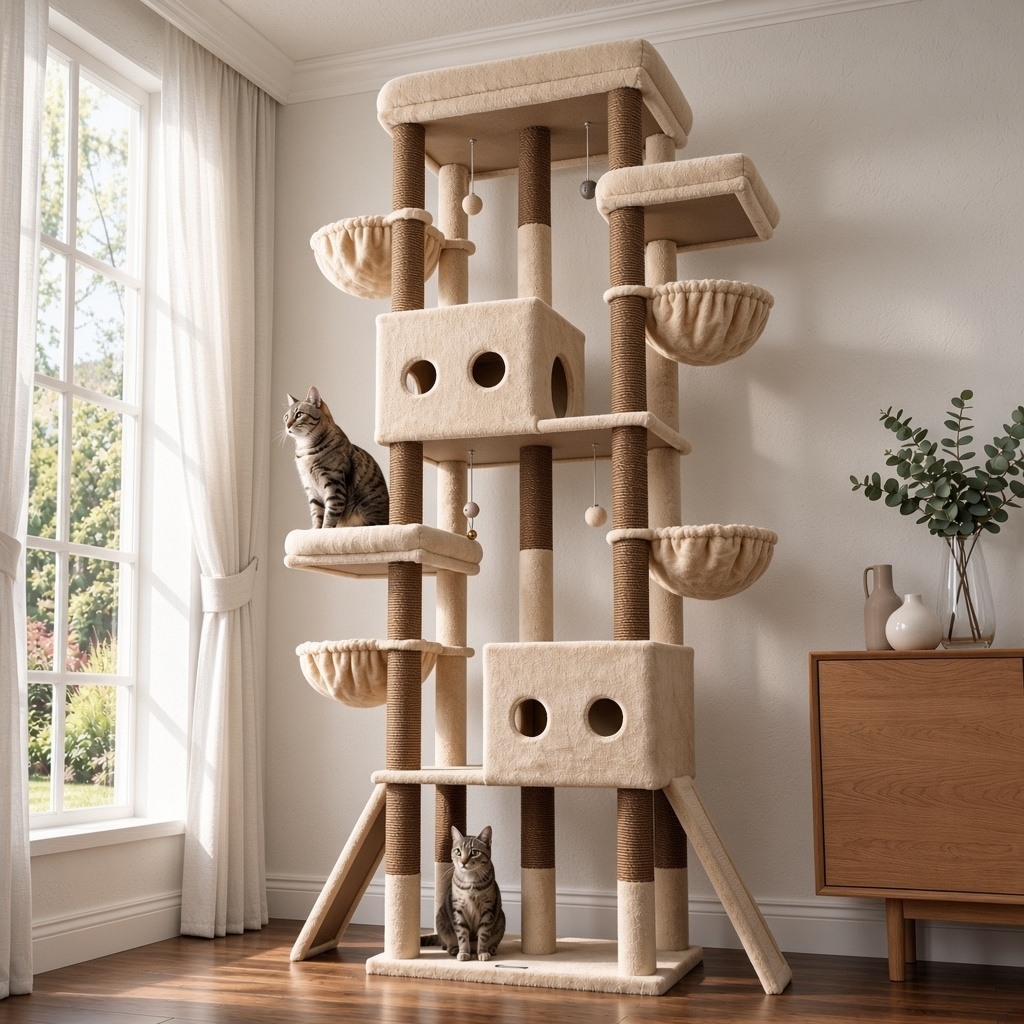
Proportion comes next. A tower should relate to sofa arms, window sills, and ceiling height the way a bookshelf does—not like a playground dropped into adulthood. We sketch elevations beside sectional arms and mark sightlines from the dining table. A concept that wins on perch count but blocks conversation across the room does not advance, even if a cat would nap on top.
Material honesty follows. Sisal looks like sisal—with visible weave, not plastic rope pretending to be natural fiber. Plush is chosen the way upholstery is chosen: for touch, recovery after compression, and how it photographs in daylight without synthetic shine. Wood tones align with floors already in the room so the base reads as planted, not imported.
Color is restraint. Beige, soft grey, and dark grey let structure read as architecture. When accent appears, it behaves like throw pillows—small, intentional, subservient to the room palette. Loud towers date faster than quiet ones because decor cycles move quicker than cat habits.
Owners describe the outcome in domestic language: “It looks like furniture.” That is not vanity. It is permission to place the tower in the best cat location—the window line, the social core of the room—instead of the least embarrassing corner. Integration changes behavior for both species. Cats use routes more when routes sit where light and motion already are. Humans stop treating the tower as a compromise they tolerate on weekends.
Industry Updates observation tracks the same migration. Pet categories break out of their aisle when products stop performing as props and start performing as furniture. The shift is not about hiding cat needs. It is about translating scratch, height, and rest into home grammar—matte over gloss, touch over pattern, calm over costume.
We test the living-room standard on mockup walls beside human furniture elevations. If a tower reads as a prop in that lineup, it returns to the board—even when every perch spec checks out on paper. Integration is a sightline test, not a color swatch test.
Maintenance completes the argument. Surfaces that vacuum cleanly and corners that resist fray keep the tower looking chosen, not tolerated. Owners forgive sisal wear; they rarely forgive a structure that looks dated after one season beside a sofa they plan to keep for five. Furniture thinking includes how the object ages in public view.
Assembly is part of the living-room test. Flat-pack towers that arrive with honest module counts and neutral hardware feel like furniture deliveries, not toy crates. Owners assemble at 9 p.m.; the tower should still look intentional by 9:30, because permanence begins at the first tightening bolt, not the first Instagram photo.
Globlazer’s direction assumes cats deserve real routes and rooms deserve real design. Less pet furniture does not mean less cat function. It means cat function that survives three decor refreshes beside the same sofa. Products that meet the living room standard outlast products built only for the pet aisle—and cats, who notice instability and visual chaos faster than we do, often prefer the calmer result without being asked.
New Arrivals
Fresh designs, new colors, and limited releases for modern cat homes.