
The Growing Demand for Furniture-Like Cat Trees
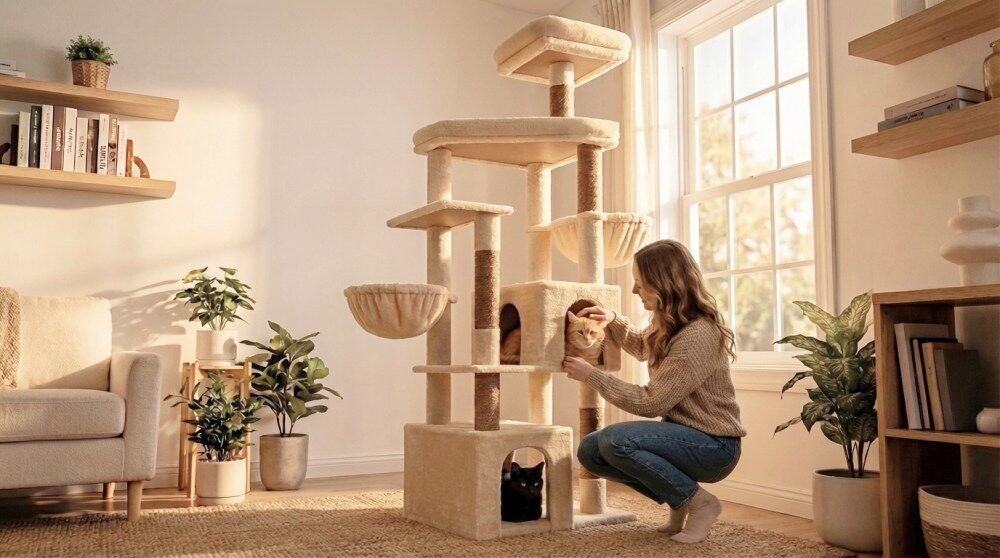
Not long ago, a cat tree belonged in a spare room. Today, it is increasingly expected to live in the main sightline—beside the sofa, near the window, inside the room where people actually spend time.
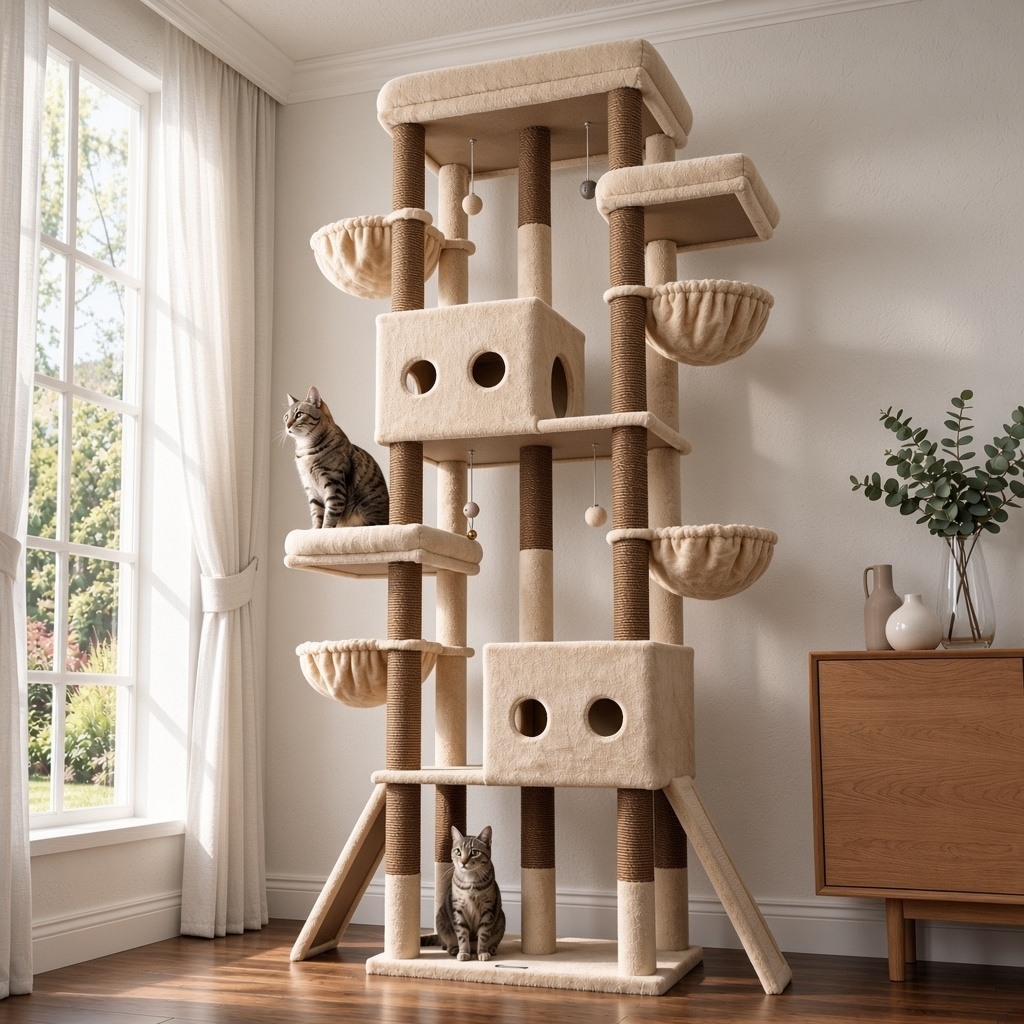
That shift is driving the growing demand for furniture-like cat trees: structures built for cats, but designed to be acceptable to modern interiors. At Globlazer, we see it as more than aesthetics. It is a change in how homes make decisions—when the tower is chosen alongside the rug, not after everything else is settled.
Pets are now part of the room plan
As pets are treated more like family members, owners plan for them earlier. The cat tree is no longer a last-minute purchase that tries to disappear. It is a permanent object that needs to coexist with rugs, sofas, and open walkways.
In that context, furniture-like does not mean decorative. It means calm enough to stay out. It means you can keep the structure where it works best for the cat—without feeling the need to hide it when someone visits. Industry Updates observation on pet home products keeps returning to the same phrase: integration. Towers are expected to match open-plan sightlines, survive photos beside real furniture, and stay put for years.
We notice the shift in how owners describe their brief. Fewer people ask for something cute. More ask for something that matches the couch, something that does not look like pet furniture. That is furniture-like thinking translated into plain speech—and it changes what gets sketched first on a floor plan.
Open-plan rooms punish visual noise
Open layouts and rental mobility leave little tolerance for clutter. When the living room is also the dining room and sometimes the office, every large object is judged by how much space it steals—visually and physically.
This is why we see a consistent preference for slimmer silhouettes, warm neutrals, and edited details. A cat tree earns a place in an open-plan home when it stays walkable, stays quiet, and still offers the vertical routes cats need. Height becomes the compromise: multiple levels without widening the shadow on the floor.
Material honesty follows the same filter. Minimal interiors dislike fake textures—plastic bark, glossy faux wood, patterns that mimic nature badly. Owners want sisal that looks like sisal, plush chosen for touch, posts in believable wood tones. Pet products must perform without pretending to be something else.
Furniture-like cat trees are not a trend toward fragility. If anything, they demand more engineering: stable bases that do not look bulky, platforms that feel generous without becoming a block, and surfaces that read like upholstery while surviving ordinary traffic. We widened footprints as a language decision, not a patch—a few more inches at the floor let the climb above stay furniture-scale.
Retail resets tell the same story in a different dialect. Lifestyle photography places towers beside throw pillows and oak side tables; buyers compare nap direction and matte recovery the way they compare cushions. Pet products are being reviewed with interior standards—touch, proportion, longevity in the sightline—not with novelty alone.
Placement is part of the furniture-like brief. A tower tucked beside cabinetry or a sectional claims vertical real estate that floor furniture cannot use. The cat gains lookout; the human keeps the rug. When we trial slim silhouettes in studio layouts, the winning mockups are rarely the shortest—they are the ones that add levels without widening the shadow on the floor.
That is the direction we keep building toward at Globlazer. A cat tree is not meant to be stored away. It is meant to belong—because modern homes ran out of spare rooms to hide the cat in, and owners finally stopped treating that as a compromise they had to accept.
New Arrivals
Fresh designs, new colors, and limited releases for modern cat homes.