
Behind Our New Platform Structure Iterations
Platforms look simple from across the room. But they carry most of the daily truth of a Globlazer cat tree: the landings, the turns, the naps, the sudden midnight sprints.
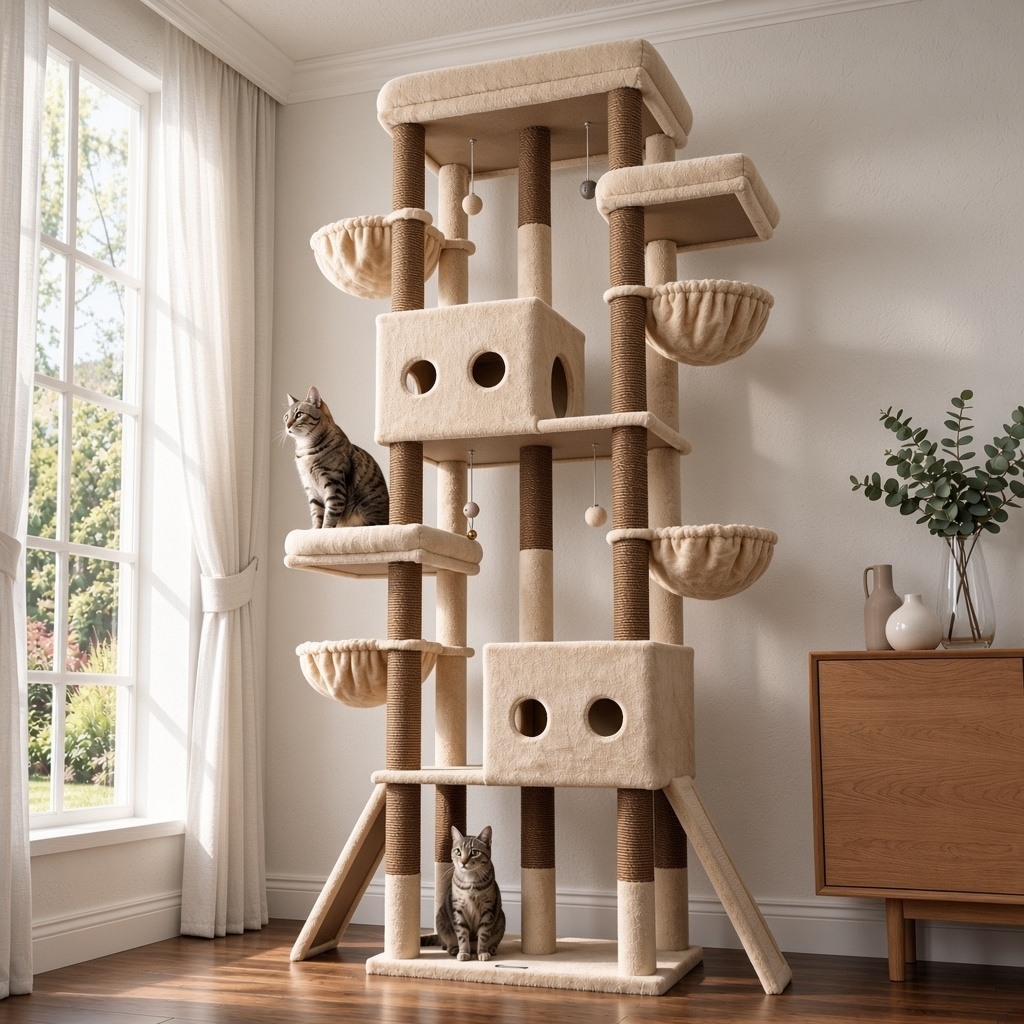
This season, our product team has been refining platform structure with one clear goal: make larger surfaces feel more stable and more furniture-like at the same time. Owners asked for room to sprawl; cats asked for edges that do not flex when two paws land at once. Those requests sound like engineering tickets—they are really design questions about how a tower should behave in a living room.
When a platform grows, flex becomes more noticeable. So we focused on how the underside supports the top surface, how edges hold shape after repeated jumps, and how plush wrapping stays tidy where paws and vacuum lines meet most often. We sketch cross-sections the way furniture makers do: not to impress, but to see where force travels when a Maine Coon decides the top perch is now a launchpad.
Corner radius received the same attention. Sharp platforms photograph crisply; softened corners feel safer under a running cat and kinder to fabric over years. We compared edge profiles beside sofa arms and side tables, asking whether the silhouette reads as pet gear or as part of the room’s horizontal language.
Plush depth changed too. A platform that looks thick in a render can feel hollow under a winter nap. We adjusted foam density and wrap tension so the surface quiets footsteps—yours and theirs—without turning the perch into a mattress that loses shape by spring.
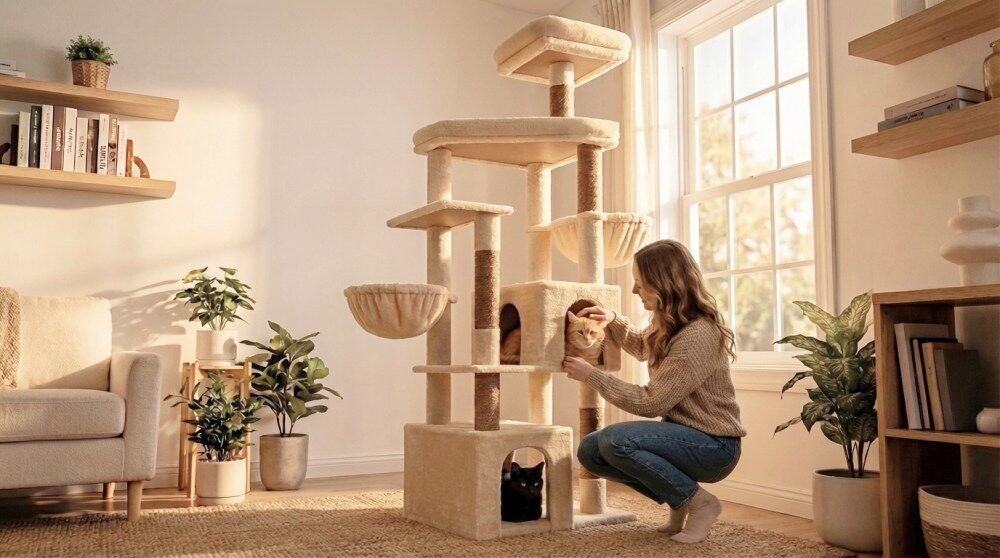
Mockups moved from table to living-room staging: a tower beside a real rug, real light, real door swing. That is where larger platforms either feel like an upgrade or like a wobble waiting to happen. We kept iterating until a broad-shouldered cat could turn around without the edge whispering flex.
Connector joints received a parallel pass. A larger platform asks more of the post it sits on, so we refined how platforms lock to columns—tighter tolerances, cleaner hardware hidden under wrap, fewer squeaks when a cat shifts weight at 2 a.m. The goal is not invisible engineering; it is engineering that disappears into daily trust.
We also mapped platform sizes against real room furniture: side tables, ottoman tops, window bench depths. A perch that matches human horizontal surfaces feels intentional in photos and in person. That alignment is part of why owners describe our towers as furniture-first rather than toy-first.
The result we are aiming for is subtle: a platform that feels quiet under movement, looks clean at the corners, and stays believable after ordinary use—because the best structure in a living room is the kind you stop thinking about. That is how Globlazer approaches every cat tree improvement: less spectacle, more trust written in platforms cats choose every night. Larger surfaces should feel like an invitation to linger, not a flex waiting to be noticed—and that quiet confidence is what keeps a cat tree in the room for years.
New Arrivals
Fresh designs, new colors, and limited releases for modern cat homes.