
How Interior Design Trends Influence Pet Products
Interior design trends used to stop at the pet corner. Now they run through it. When living rooms went warm-minimal, pet products had to lose shiny polyester and loud carpet—or look instantly dated beside the sofa people already owned.
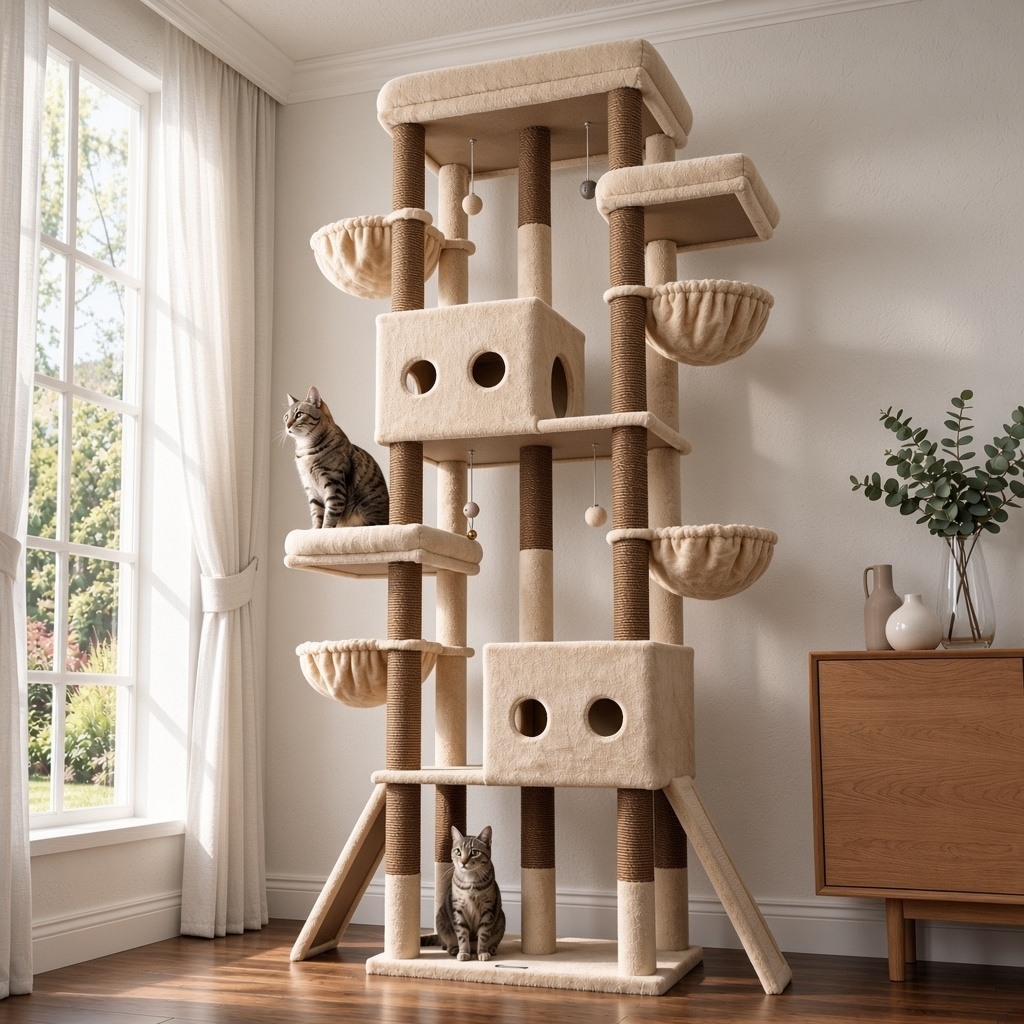
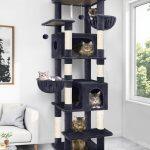
The influence is visible first in color. Mocha walls, oatmeal sofas, and soft greys on floors set the palette owners live with before they shop. Pet SKUs that ignore those anchors feel like returns waiting to happen. Globlazer BG, DG, and LG system is a direct response—neutrals that ride interior cycles instead of fighting them. Design media describe grey and beige as finishes that travel across modern and transitional homes; cat trees finally follow that logic at room scale.
Material trends run deeper than hue. Matte surfaces, natural textures, and low-sheen fabrics pushed interiors away from gloss—and pet fabrics followed. Plush on cat platforms now competes with throw blankets in the same photo. Sisal is chosen for visible weave and honest touch, not disguised as fake bark. Minimalist homes want products that perform without pretending to be something else; that expectation reshaped how brands specify platforms, posts, and wraps.
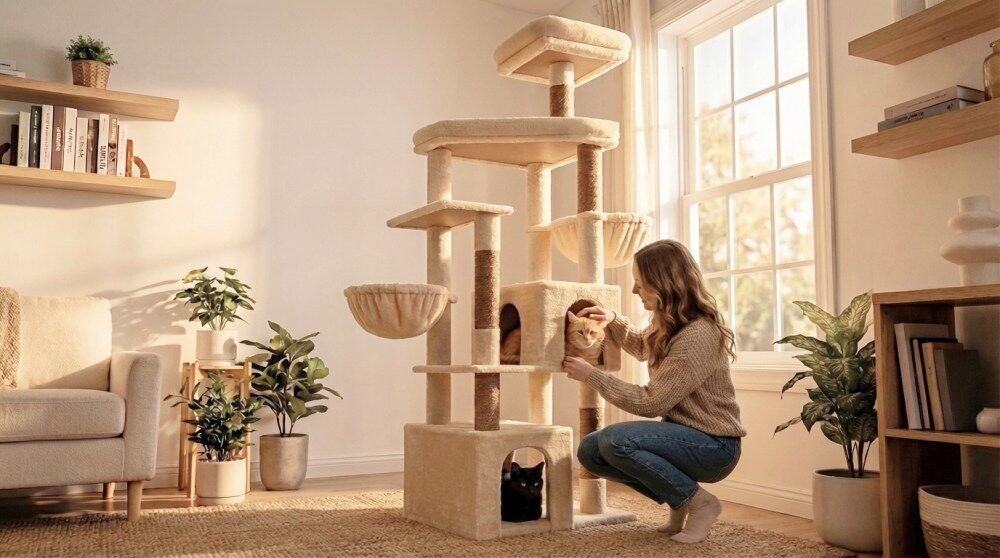
Open-plan living changed placement logic most sharply. Kitchen, desk, and sofa share one sightline, so pet furniture is judged like any large object: footprint, visual noise, permanence. Towers that look temporary get moved to spare rooms; towers that look edited stay in the main view. Pet-friendly interiors now plan climb routes and scratch surfaces alongside lighting and storage—cats are in the mood board, not the utility closet.
Warm minimalism added curves and softer edges to rooms that once prized sharp lines. Pet products absorbed that shift through rounded platform corners and silhouettes that read closer to upholstery than warehouse equipment. Owners increasingly reject harsh industrial angles in objects they see daily; cat furniture responded with calmer posts and touchable fabrics.
Lighting and sightlines finish the argument. Designers plan where eyes travel from entry to window; a pet tower in that path is judged like a floor lamp. Edited neutral cat trees survive the scan because they add vertical interest without pattern noise.
The crossover is not one-way. Pet-heavy households push interiors toward durable fabrics, washable surfaces, and scratch-tolerant layouts. But the dominant vector recently is interior toward pet: homes set the rules; products comply or leave the room. Cat furniture graduated from the pet aisle to the interior conversation—specified like lamps, not like litter boxes.
For cat trees specifically, the translation is vertical furniture logic: height without clutter, routes without novelty shapes, calm bases that respect hardwood and open walkways. Globlazer develops towers as room-scale objects—wide bases that signal trust, neutral palettes that survive sofa swaps, engineering treated as part of the decor brief.
Scale shifted with ceilings. Taller open rooms welcome room-scale cat trees that read like vertical cabinetry; low novelty carpet towers look stranded in the same volume.
Texture timelines matter as much as color. Interiors that favor linen and boucle pull pet fabrics toward the same hand-feel—another reason matte plush on Globlazer platforms replaced shiny synthetics.
Rental markets amplify the effect. Tenants who cannot repaint still curate with textiles; neutral cat trees align with that constraint better than any novelty carpet ever could.
Staging culture accelerated the crossover. Room photos that once cropped out pet gear now keep a neutral cat tree in frame—because the tower reads as part of the decor story, not an apology for owning a cat.
Interior design trends influence pet products because the living room won the argument. Brands that understand shared sightlines stop designing for isolation and start designing for years beside real furniture. The pet corner did not disappear—it merged into the room everyone already curated.
New Arrivals
Fresh designs, new colors, and limited releases for modern cat homes.