
Refining Modular Structures for Multi-Cat Families
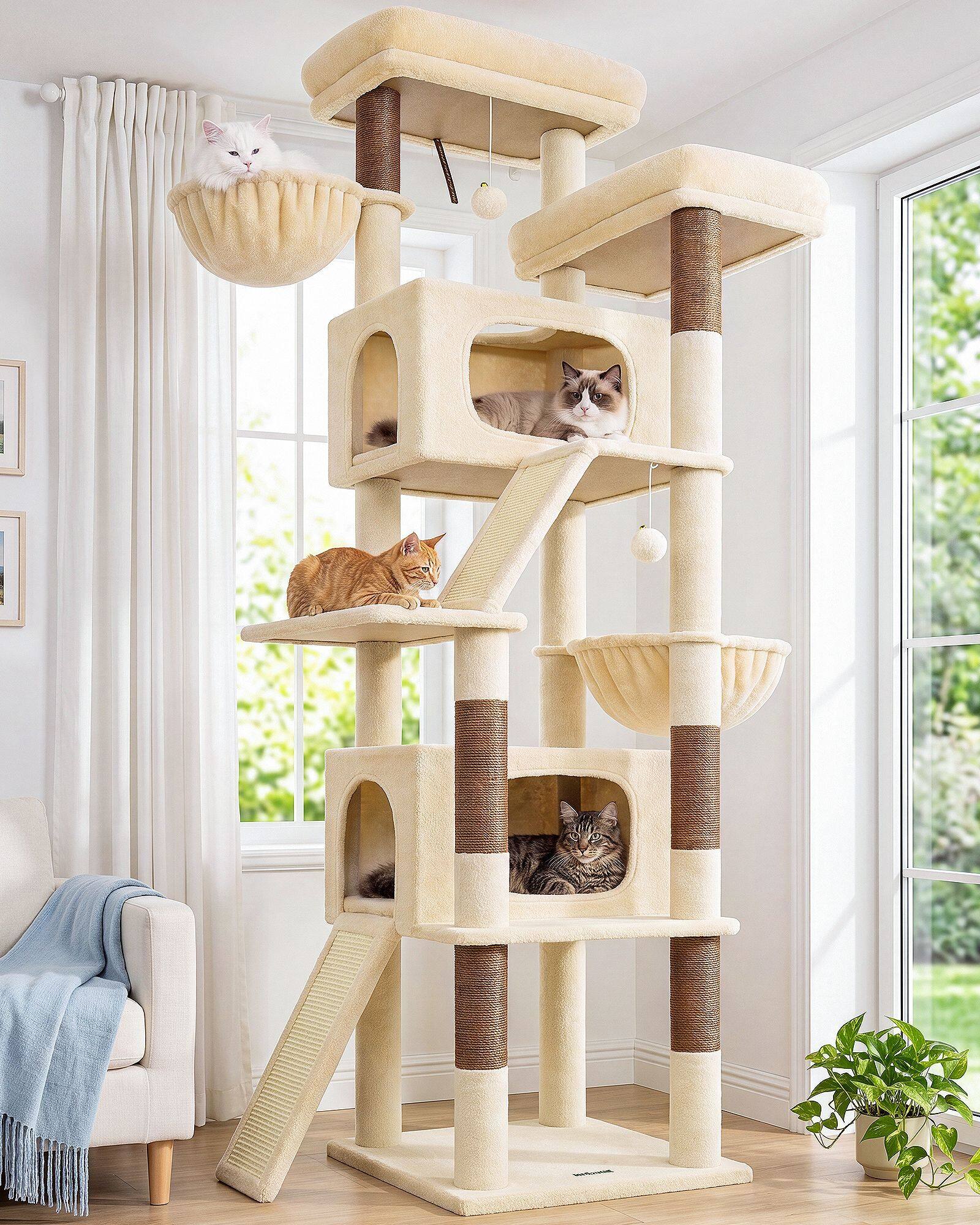
Multi-cat homes do not need more furniture—they need more routes. When two or three indoor cats share one living room, the argument is rarely about square footage. It is about who gets the window perch, who owns the fastest climb, and whether a large cat can turn around without negotiating with a smaller one mid-air. Globlazer’s modular thinking starts there: not with a catalog of add-ons, but with how bases, posts, and platforms can be arranged so cats share space without sharing the same landing.
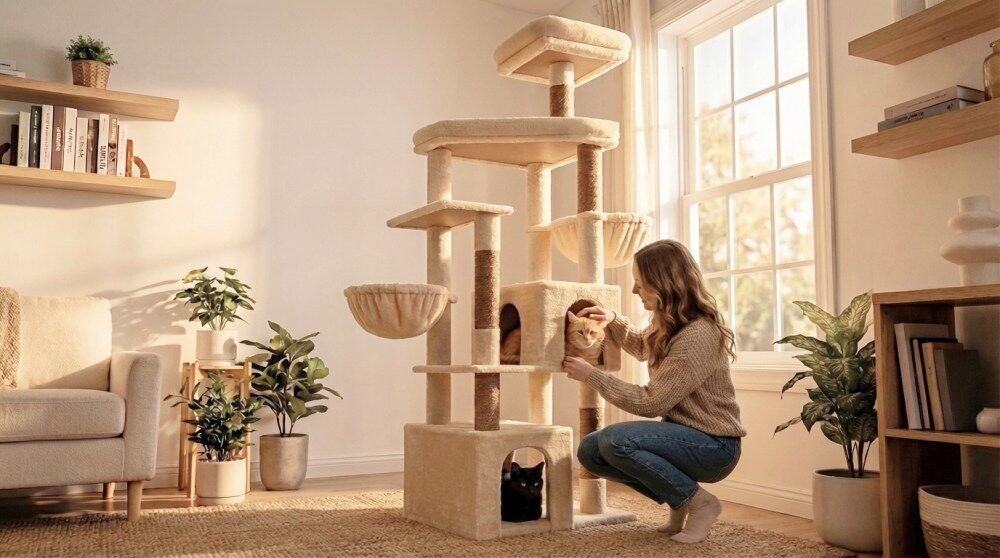
Modular here is not infinite Lego fantasy. It is practical iteration—swapping platform widths, adjusting bay spacing, adding a mid-level rest that breaks sightlines during tense evenings. Our product team treats each tower as a small spatial system. A base that feels planted on hardwood. Posts spaced so diagonal climbs do not bottleneck. Platforms wide enough that a Maine Coon–scale cat can groom without hanging off the edge. Those choices compound. Change one platform depth and you change where the second cat waits, where scratching happens, and how confidently both animals return tomorrow.
Recent refinement targeted families with one large cat and one agile climber—the pairing we hear about often in support conversations. The large cat needed a wide top with a calm base; the climber wanted vertical speed. A single straight tower frustrated both until we staggered platforms and separated scratch columns. The agile cat could sprint upward on a tighter column while the heavier cat used a wider, slower route with a generous mid perch. Because the sightlines broke at the middle level, evening standoffs shortened. That is modular design as peacekeeping, not product count.
Stability rules every modular configuration. Adding height or offset platforms changes load paths. Each arrangement is reviewed for base footprint and post torque—not only for photo appeal. A modular system that wobbles when the heavier cat launches teaches both cats to distrust the tower. So we widen footprints where routes converge, stiffen connections at diagonal transitions, and keep mass low even when silhouettes climb tall. The goal is a cat tree that feels furniture-calm while surviving real household traffic.
Owners also care about flexibility for moves. A modular approach should reassemble in a new apartment without feeling like a downgrade—same calm neutrals, same wide routes, fewer fights over the window perch. We design connection logic so platforms can be repositioned within reason, not so owners inherit a puzzle. Assembly clarity matters: if a joint is ambiguous, it will be assembled ambiguously, and cats will feel that uncertainty before anyone reads the manual.
We are not announcing a new kit today. We are sharing the design bias behind ongoing Globlazer towers: multi-cat peace is spatial design. More perches do not help if they stack into one contested lane. Better routes—separated climbs, staggered rests, scratch surfaces placed where daily traffic already goes—do. That is the direction you will see in how we proportion platforms, space posts, and keep neutral palettes quiet beside open-plan sofas. A household with two cats does not need two towers if one tower is planned like a small vertical neighborhood.
New Arrivals
Fresh designs, new colors, and limited releases for modern cat homes.