
Why Vertical Living Matters More Than Ever for Indoor Cats
Maya moved into a one-bedroom last autumn with one non-negotiable: her two indoor cats would not spend their lives on the floor while she worked at the kitchen table three feet away.
The apartment was bright, walkable, and honestly small. Horizontal space belonged to humans—sofa, desk, shoe rack, the table where lunch happened. What the cats needed was not another box on the carpet; it was altitude that let them observe without blocking the path to the fridge.
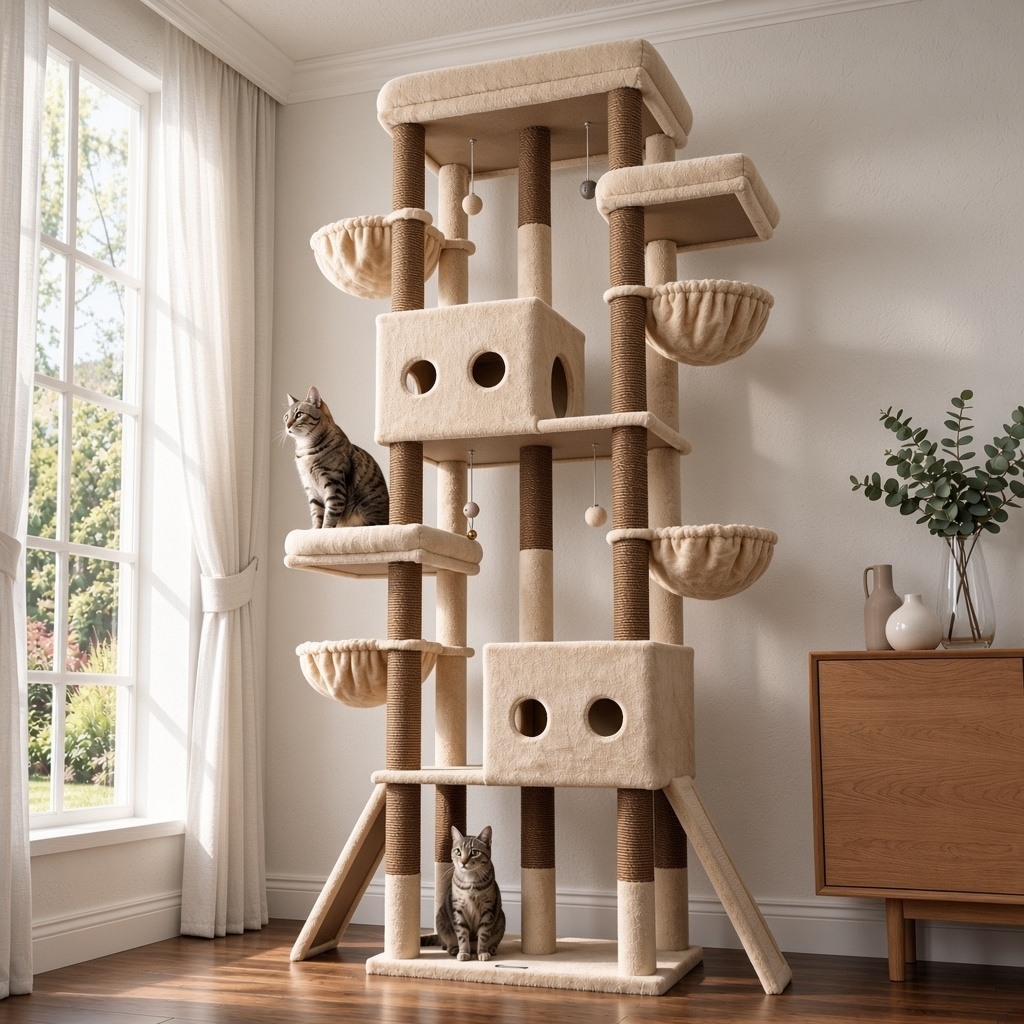
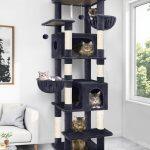
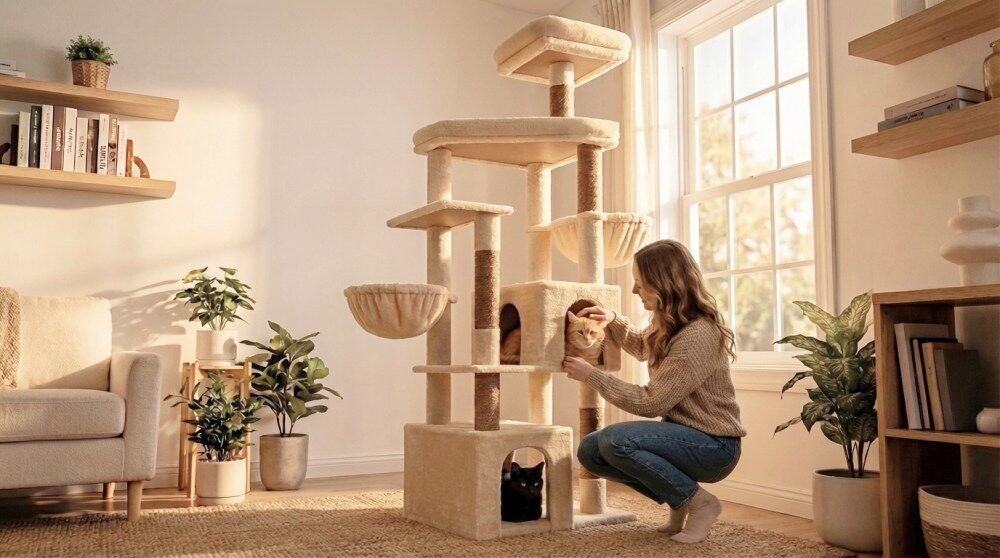
She placed a slim Globlazer cat tree beside the window, not because any product promises a miracle, but because the tower added vertical living without another piece of furniture that felt temporary. Within a week, the higher perch became morning territory. The mid platform became the afternoon scratch-and-stretch stop. The floor cleared.
Industry Updates observation and everyday housing math tell the same story. More North American renters live in compact footprints where square footage is negotiated daily. Veterinary guidance widely agrees that indoor cats need enriched environments—vertical routes, scratching surfaces, retreats—not merely food and litter in the same room.
Vertical living answers that need without expanding the lease. A tall cat tree converts height into territory. Cats that would otherwise compete for the same square of sofa cushion can share a room by sharing air at different levels.
Urbanization sharpens the case. Kitchens open into living rooms; desks sit in sightlines; guests arrive through the same door the cats watch. In those layouts, a wide, low pet spread eats walkways and visual calm. Vertical structures stay slim. They respect the room while giving cats the motion their bodies expect.
Maya noticed behavior, not architecture jargon. Fewer stare-downs at mealtime. More slow blinks from the top perch. The tower did not solve every multi-cat negotiation, but it shifted the argument off the floor.
Winter made the point again. When windows stayed closed and outdoor routes disappeared, the climb path became exercise and entertainment—stairs that did not require a hallway.
Vertical living is not a design trend isolated from welfare. When climbing structures feel unstable or poorly placed, cats simply stop using them. So the useful question is not whether cats like height—they do—but whether the home can offer height that survives real launches and real laundry baskets on the floor.
Globlazer develops cat trees for that compromise: room-scale towers with footprints tight enough for rentals, neutral palettes that keep the object in the living room instead of the spare bedroom, routes spaced for pause as well as summit.
That is the quiet promise of vertical living in 2026: not more furniture, but better height—one calm Globlazer cat tree that earns its square inches upward instead of outward.
Her neighbors notice the tower now the way they notice a floor lamp: present, useful, not begging to be hidden when someone visits.
Maya still lives in the same one-bedroom. The sofa is the same oatmeal linen. What changed is how the cats inhabit the volume above it—vertical citizens in a horizontal city, finally with addresses that are not the kitchen tile.
New Arrivals
Fresh designs, new colors, and limited releases for modern cat homes.