
Behind Our Latest Material Research Process
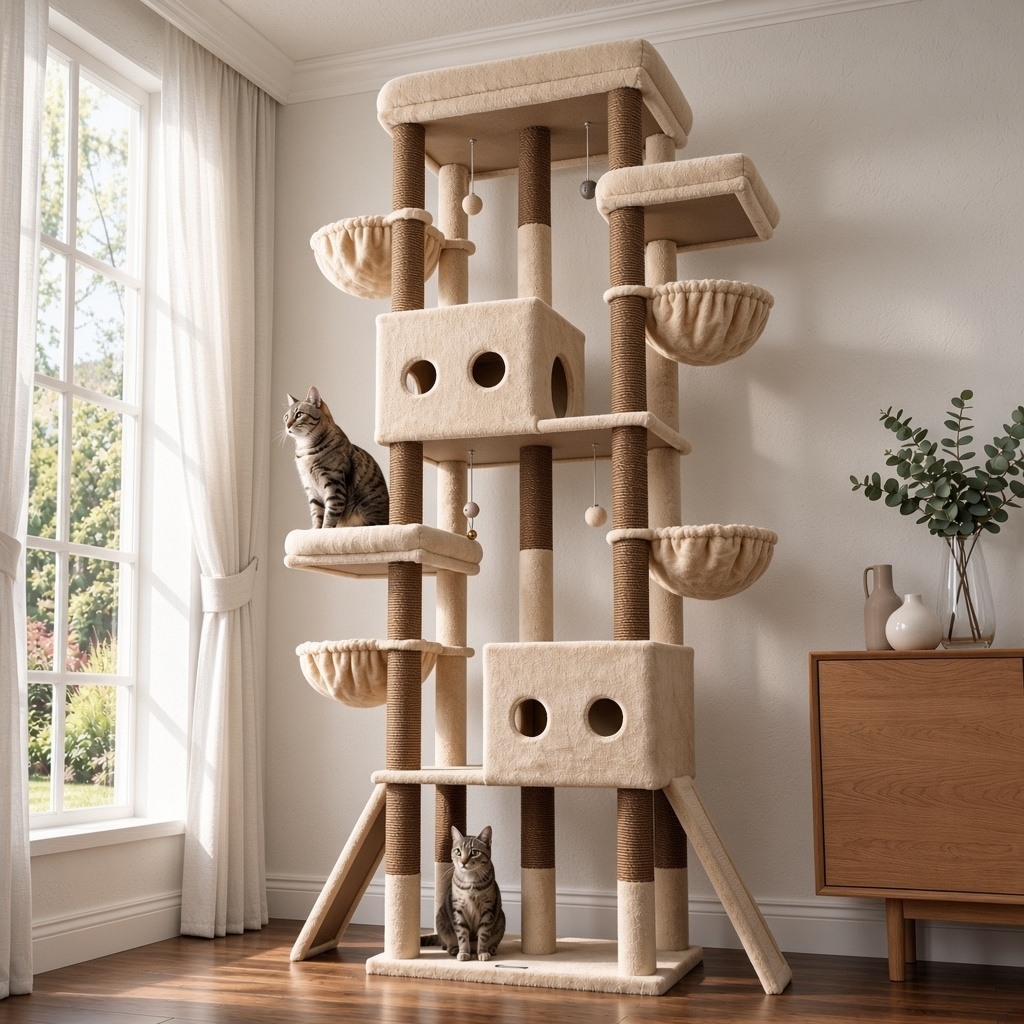
Material work at Globlazer rarely starts with a dramatic announcement. It starts with a wall of labeled swatches, a window that throws honest afternoon light across pile height, and a question our product team keeps returning to: Would this still feel right beside a sofa six months from now? That is the spirit behind our latest material research cycle—not a laboratory report, but a design journal for cat tree surfaces cats touch daily and owners live with visually.
We begin with touch, not charts. Short-pile platforms are compared the way upholstery buyers compare sofa fabrics—matte in daylight, forgiving under a vacuum, honest about kneading. Sisal lots sit beside one another so we can read weave and wear behavior, not just color. The goal is not to find the loudest texture. It is to find textures that stay quiet in open-plan photography while still inviting claws along real travel paths.
Next we map wear zones the way we map climb routes. Entry sisal, mid-level pauses, top perches—each zone gets a material brief because cats do not distribute stress evenly. A platform that feels luxurious on day one must still read composed after months of launches to the top. That means separating structural cores from show surfaces: stiffness where load paths need it, plush where touch and photography matter, replaceable honesty where claws always win.
Color arrives early, but not as decoration. We keep returning to Beige, Dark Grey, and Light Grey because they survive rug refreshes and rental white walls without turning the tower into a compromise. Spring sampling this year pushed warmer beiges and softer greys inside that disciplined envelope—texture variation without pattern noise.
What changed in this cycle is documentation discipline. Lot notes for sisal, adhesive cure windows for sleep-adjacent platforms, photography tests beside linen and oak before a SKU locks. Those details rarely appear in marketing copy, but they are why a neutral tower still matches when a household adds a module later—or swaps a scratch post instead of replacing the whole climb line.
We also refuse materials that age into clutter: shiny polyester that dates a room in one glance, faux branches that read as costume, surfaces that look like pet-aisle novelty under window light. Minimalist homes taught the category a useful lesson—edited objects, honest materials, fewer shapes fighting the same sightline.
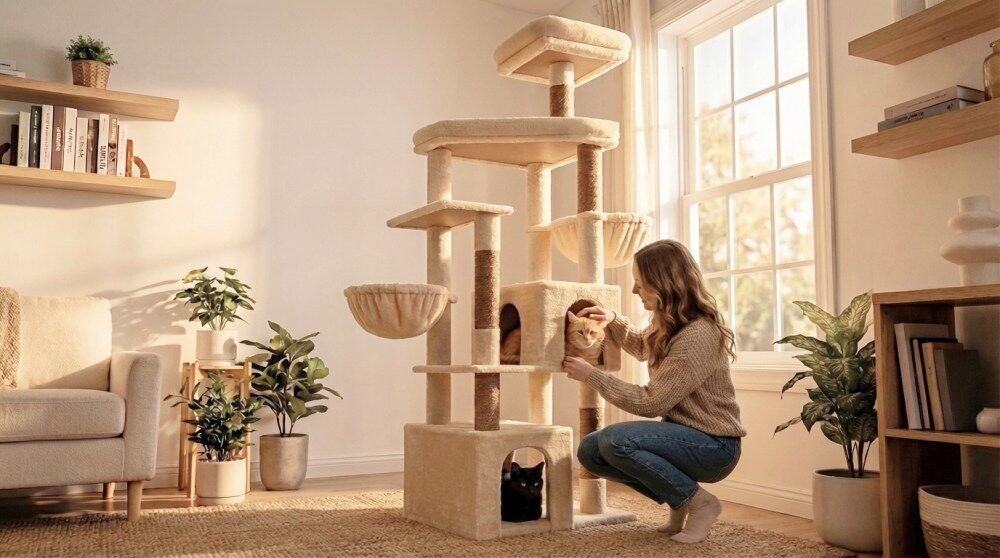
By the time a structure like our tall neutral lines reaches catalog photography, the material story is already decided. The tower should feel planted, touchable, and calm enough to specify near seating—not surprising on unboxing day. Our latest research process is really that specification work made visible: touch first, wear zones second, neutral envelopes third, lifecycle thinking underneath all of it.
More notes will follow as 2026 programs lock. For now, consider this a behind-the-scenes checkpoint: Globlazer material research is how we keep cat tree verticals behaving like furniture in the room they share—quiet surfaces, honest sisal, platforms that still belong after the first season of daily climbs.
Sampling meetings end the way good design reviews should: with a short list of surfaces we would specify near our own sofas—and a longer list politely retired before it ever becomes a SKU.
New Arrivals
Fresh designs, new colors, and limited releases for modern cat homes.