
Material Trends We Expect to Grow in 2026
Material direction for 2026 at Globlazer is less about one hero fabric and more about a stack that behaves quietly in homes: surfaces cats touch daily, structures that stay planted, and documentation retail programs can trust when buyers ask hard questions.
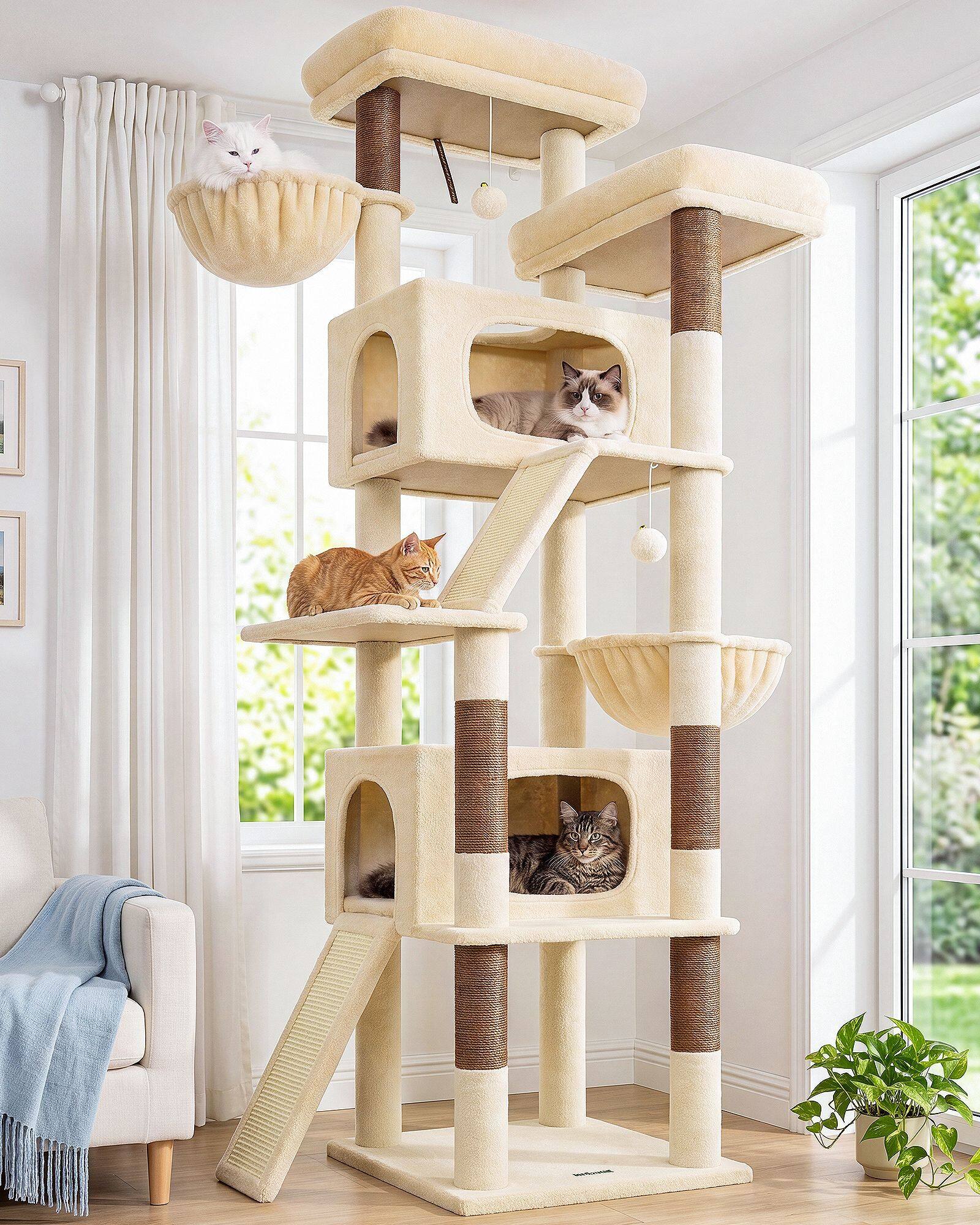
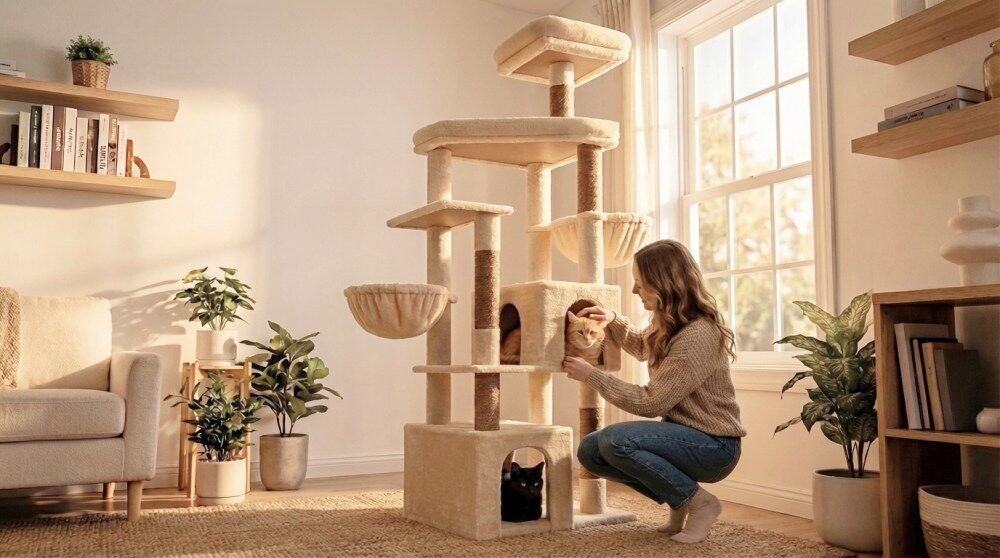
We expect matte short-pile plush to keep growing—textures that read like upholstery, hold up in listing close-ups, and do not turn shiny after weeks of rest traffic. That finish matters because families judge quality with their hands before they read specs. A tower that looks premium in a hero shot but feels plastic under paw traffic fails the room-fit promise.
Traceable sisal lots matter for scratch zones where wear is honest and replaceable posts are part of the lifecycle. Sisal is not interchangeable commodity fiber when twist, oil content, and wrap tension change how quickly a post frays. We treat lot discipline as a design choice, not a procurement footnote.
Adhesive and core choices follow the same logic: low-odor bonding on sleep surfaces, recycled or documented cores where stiffness matters more than showcase grain. Sustainability works when it is layered—premium touch where people see it, responsible structure where they do not. A cat tree that markets eco language on one panel but hides weak board in the base undermines both trust and stability.
Hardware and connector materials are trending toward repeat-use tolerance—interfaces that survive reassembly during moves and seasonal refreshes without loosening the calm feel families notice at the mid-post. That is especially relevant as room-scale towers travel through online fulfillment channels with longer last-mile handling.
Color-stable neutral dyes are another quiet trend. Beige, dark grey, and light grey families must survive batch photography without drifting warm or cool between production runs. Retailers notice drift before consumers name it; open-shelf Customer Stories break when BG becomes a different beige six months later.
Edge and corner materials are gaining attention as towers ship through longer omnichannel routes. Protected corners are not vanity—they preserve the furniture-first first impression when a living-room purchase arrives with crushed platform edges. We prototype corner inserts alongside plush, not after launch complaints.
Anti-microbial and low-VOC finishes are rising in briefs, especially for sleep surfaces. Families increasingly ask whether a tower smells like chemistry on day one; low-odor bonding is becoming a baseline expectation for premium neutrals, not a premium upsell.
These trends are already moving through sampling at Globlazer. They show up as calmer towers that feel more furniture-adjacent and more defensible for buyers who must answer material questions without marketing adjectives—honest surfaces, documented structure, and daily-use confidence built in from the first swatch.
Wear-part modularity is growing in briefs—not as a gimmick, but as lifecycle honesty. Replaceable sisal posts and documented hardware kits let families keep a neutral tower through years of scratch traffic without discarding the whole silhouette.
We are also prototyping edge guards that ship inside the carton, not taped on as an afterthought. First impressions in living rooms start when the box opens; materials trends must include that moment.
Finally, neutral dye labs are sharing more batch-to-batch comparison photography internally—small drift that cameras catch before open shelves do. That discipline is becoming a 2026 expectation, not a nice-to-have.
“””
New Arrivals
Fresh designs, new colors, and limited releases for modern cat homes.