
How Modern Pet Furniture Became a Home Decor Category
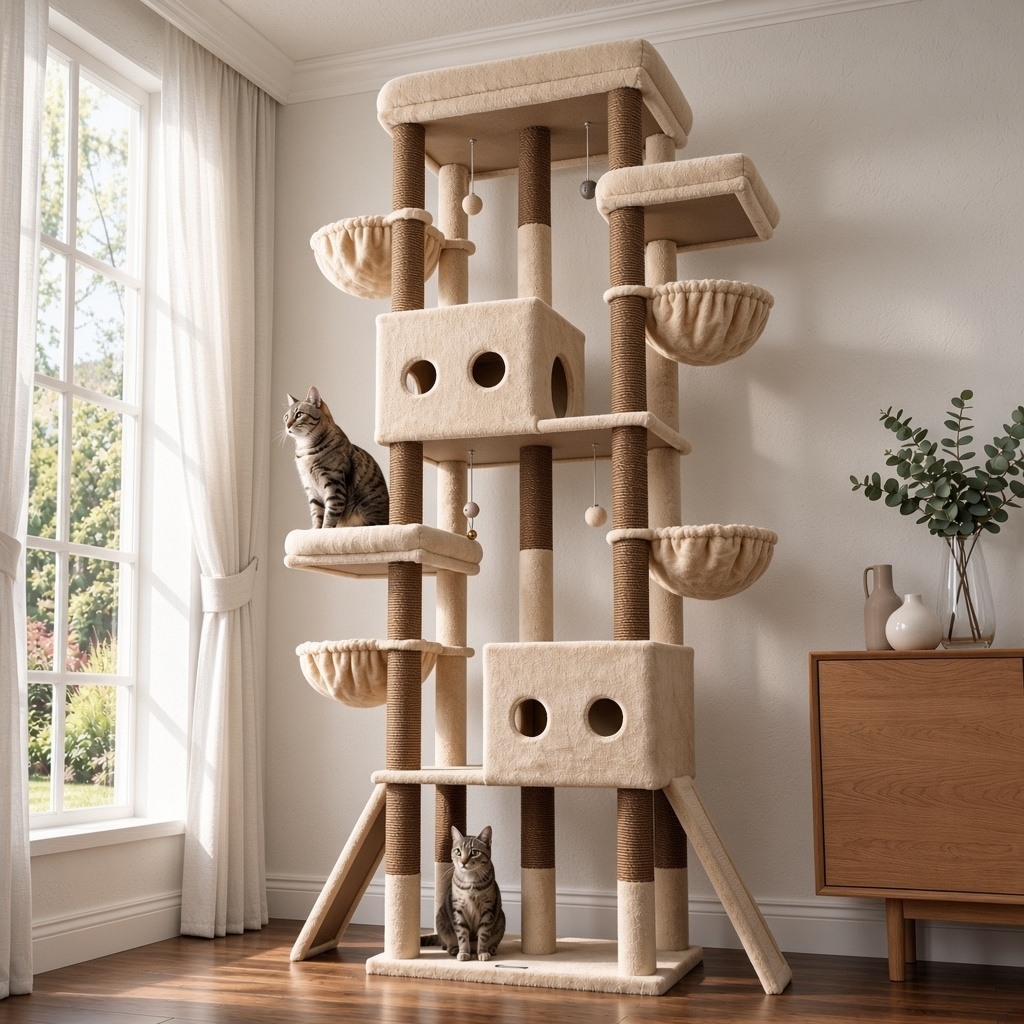
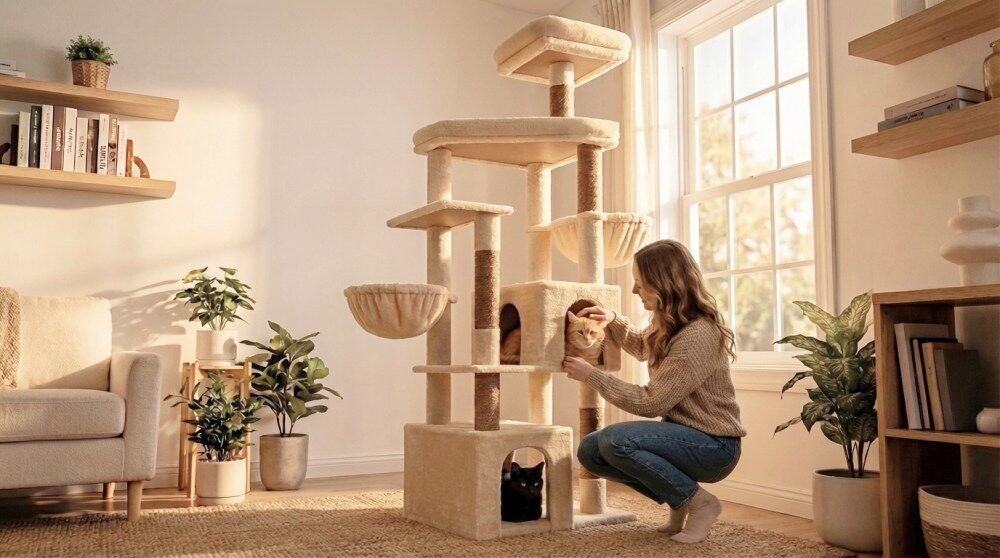
There was a time when pet furniture lived in a separate mental aisle—utility objects you hid, replaced often, and never photographed. That separation is breaking. A room-scale cat tree now shows up in the same conversations as rugs, shelving, and upholstery: not because pets became trendy, but because homes became more curated and pets became more central to how rooms are composed.
Category research describes pet home products moving toward integration with interior environments—modular forms, safer materials, and silhouettes that respect decor. Globlazer sees the retail version every season: briefs that ask whether a tower can live in a living room frame, not only in a spare corner behind the door.
From pet aisle to decor planning
Home decor logic rewards objects that behave under daylight photography. Neutral palettes, honest structure, and proportions that echo human furniture let a tower sit beside a bookshelf without looking like a toy escaped from packaging. When blend-in became baseline expectation, the category stopped competing on novelty color alone.
Designers and shoppers increasingly treat large vertical products as part of spatial composition—height budget, sightlines, texture rhythm. A tall cat structure can anchor a window wall or soften an open corner the same way a floor lamp might, if it is calm enough to belong. That shift changed procurement: buyers now ask for consistent neutral families across seasons, not one-off accent colors that break a shelf story.
The move is also digital. Listing close-ups reward matte plush and sisal that read like materials, not graphics. Assembly clarity and stability cues matter beside hero height, because the purchase decision often happens on a phone beside a sofa the customer already owns.
Behavioral research on indoor cats reinforces the design pressure: vertical territory reduces conflict and supports natural climbing. When welfare logic meets decor logic, the winning product is neither a jungle gym nor a hidden utility—it is furniture-language cat tree design that families are willing to leave in frame.
Marketplace content accelerated the decor shift. Shoppers now compare thumbnail texture to the rug they already own; a tower that looks like molded plastic in close-up loses the living-room vote even if the height spec wins on paper. Retailers responded by demanding calmer materials and repeatable neutral families across quarters.
Professional staging culture also played a role. When interior photography routinely includes pets in frame—not as props, but as residents—vertical products had to earn composition. A loud cat tower breaks a styled shelf line the same way a clashing accent chair would.
For multi-cat homes, decor integration has a practical layer: vertical territory reduces floor-level conflict when routes are clear and landings are generous. Welfare logic and aesthetics converge on the same design choices—straight climb lines, planted bases, surfaces that stay matte under daily traffic.
Wholesale buyers now score assortments on “living-room survivability”: will this neutral Globlazer tower still look correct beside next season’s textile refresh, or will it date the aisle? That question elevated cat furniture from pet utility to home decor category in planning meetings, not only in magazines.
Pet furniture became a home decor category when the purchase decision moved from pet utility alone to shared domestic aesthetics. For Globlazer, that is not a marketing label. It is the reason we engineer neutral towers with furniture-quiet surfaces—so the object earns space in the room, not tolerance in the corner.
Subscription and replenishment culture trained shoppers to treat home objects as systems—matching tones, repeatable silhouettes, fewer one-off accents. Pet vertical products entered that logic late but quickly because tall neutrals photograph like furniture when materials cooperate.
Trade shows mirror the shift: pet pavilions now borrow staging language from home—vignettes, textile stacks, window light. A cat tree displayed like an accent piece signals category migration more loudly than any trend report.
Globlazer product teams now brief retail partners with room frames first, SKU numbers second. That ordering would have felt inverted a decade ago; today it matches how families actually buy.
“””
New Arrivals
Fresh designs, new colors, and limited releases for modern cat homes.