
Behind the Development of Our Plush Material System
Plush is not one fabric—it is a system of decisions about pile height, sheen, recovery, and how a platform feels at 11 p.m. when a cat finally settles.
Globlazer’s plush material work started with a simple frustration: many pet fabrics photograph shiny and feel hollow. They win in a catalog, then lose beside a linen sofa in real daylight.
We built a comparison routine—swatches tagged by density, rubbed along forearms, pressed with weights, vacuumed, then laid back under window light. The question was never “softest.” It was “calmest while still usable.”
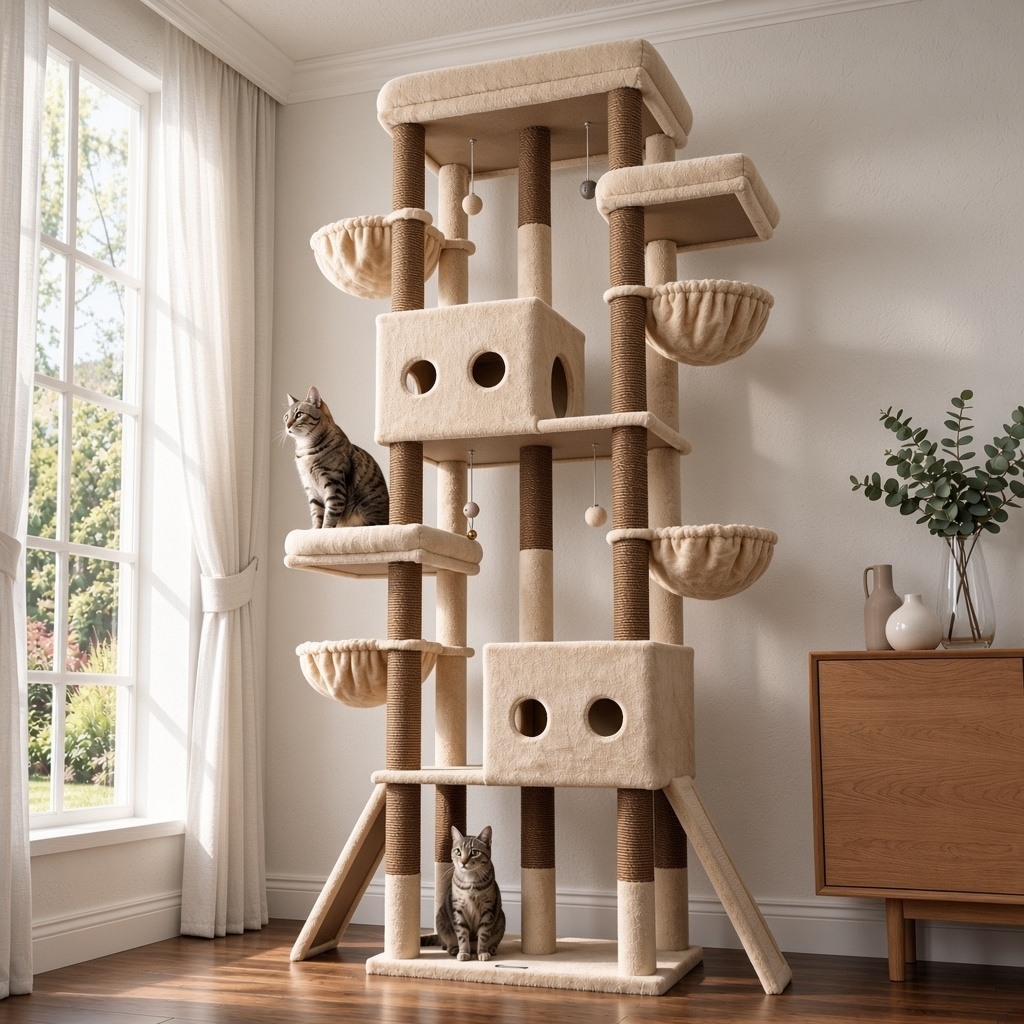
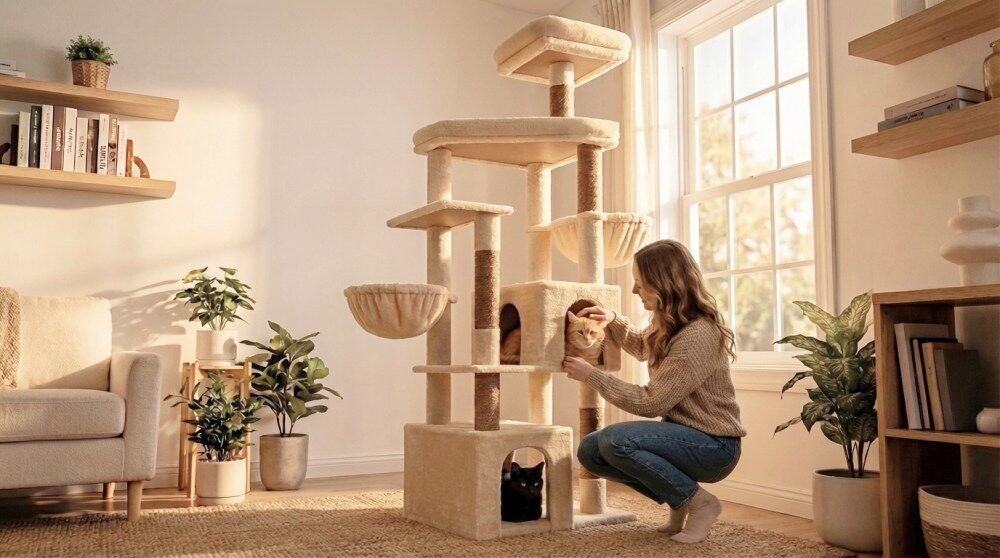
Short-to-medium pile kept winning for platforms. It recovers after compression, hides everyday fur better than novelty long fur, and reads closer to upholstery than to carnival carpet.
Color entered as a system too, not single swatches. Beige, dark grey, and light grey had to work alone and in combination—two-tone towers, posts that contrast platforms without shouting, mist grey sisal companions that do not fight plush.
Iteration focused on edges and seams—where claws catch, where vacuum paths fray first, where a platform meets a post. Large cats reveal weak corners faster than lab samples ever will.
Today’s plush palette on Globlazer towers is the result of dozens of small rejections: too shiny, too thin, too loud under afternoon sun. What shipped is what survived ordinary rooms.
We are still sampling seasonal directions, but the system is stable—touch first, photography second, novelty never.
New Arrivals
Fresh designs, new colors, and limited releases for modern cat homes.