
Why Retailers Are Moving Toward Furniture-Style Cat Tree Design
Walk a home goods floor in 2025 and pet products look different than they did a decade ago—fewer carnival colors, fewer novelty shapes, more neutral silhouettes that could pass for small furniture if you squint past the sisal.
Retailers are moving toward furniture-style pet products for practical reasons, not mood boards alone. Open-plan stores blur categories: a loud pet tower clashes with bedding, lighting, and storage displayed on the same sightline. Buyers learned that pet gear which reads as temporary decoration gets shoved to the back wall, while objects that share upholstery logic earn placement beside the living room vignette.
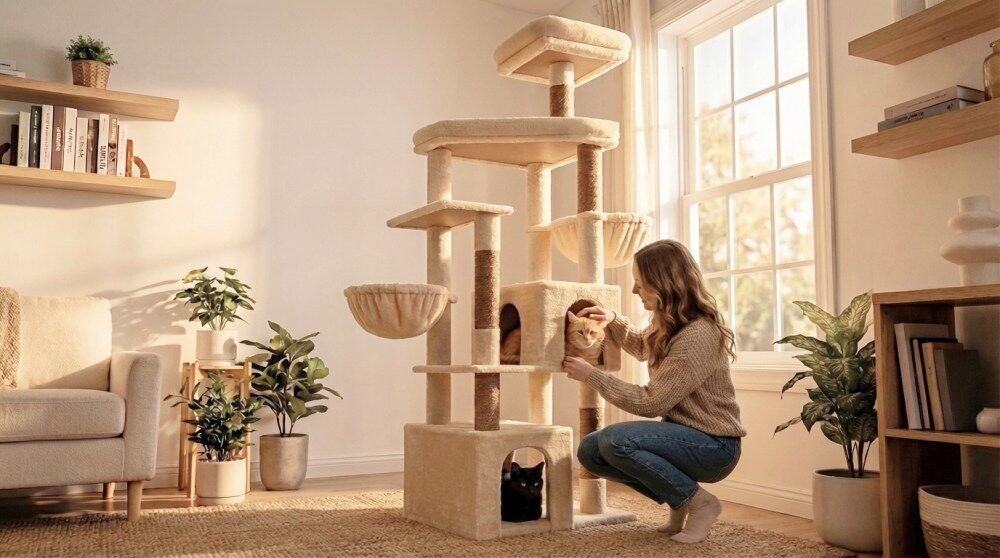
B2B conversations echo what owners say after delivery. Customers return items that do not match the room—not because the cat refused the perch, but because the color story fought the sofa. Furniture-style cat trees, with edited profiles, BG/DG/LG palettes, and calm materials, shrink that friction before checkout. Neutral towers photograph credibly in lifestyle shots, which matters when the same SKU sells online and on a showroom floor.
Assortment planning follows the same math. Furniture-style SKUs travel across regions without betting on a trendy hue. They replenish faster because they fit more living rooms by default. A buyer stocking beige and soft grey can cover coastal rentals, transitional suburbs, and compact urban flats without maintaining parallel color gambles for each market.
Display logic changes when the object behaves like furniture. A slim cat tree beside a side table completes a vignette instead of interrupting it. That earns incremental footage outside the old pet corner—valuable in categories fighting for attention. Packaging trends reinforce the shift: cleaner boxes, limited palette graphics, products staged as home goods rather than cartoon pet gear under fluorescent aisle light.
The shift is not anti-fun. Accent posts, seasonal fabrics, and playful routes still sell. The baseline moved because households treat pets as full members of the room. Industry Updates observation keeps returning to the same phrase: pet products should live in the home, not outside it. Furniture-style pet products answer that expectation with proportion, material honesty, and silhouettes that survive redecorating moods.
Cross-category merchandising accelerated the tilt. When bedding and storage vignettes borrow pet objects that look like side tables or slim cabinets, attach rates rise without shouting pet aisle. Training floor staff gets easier too—neutral furniture-style cat trees need less apology when a shopper asks whether the tower belongs beside their sectional.
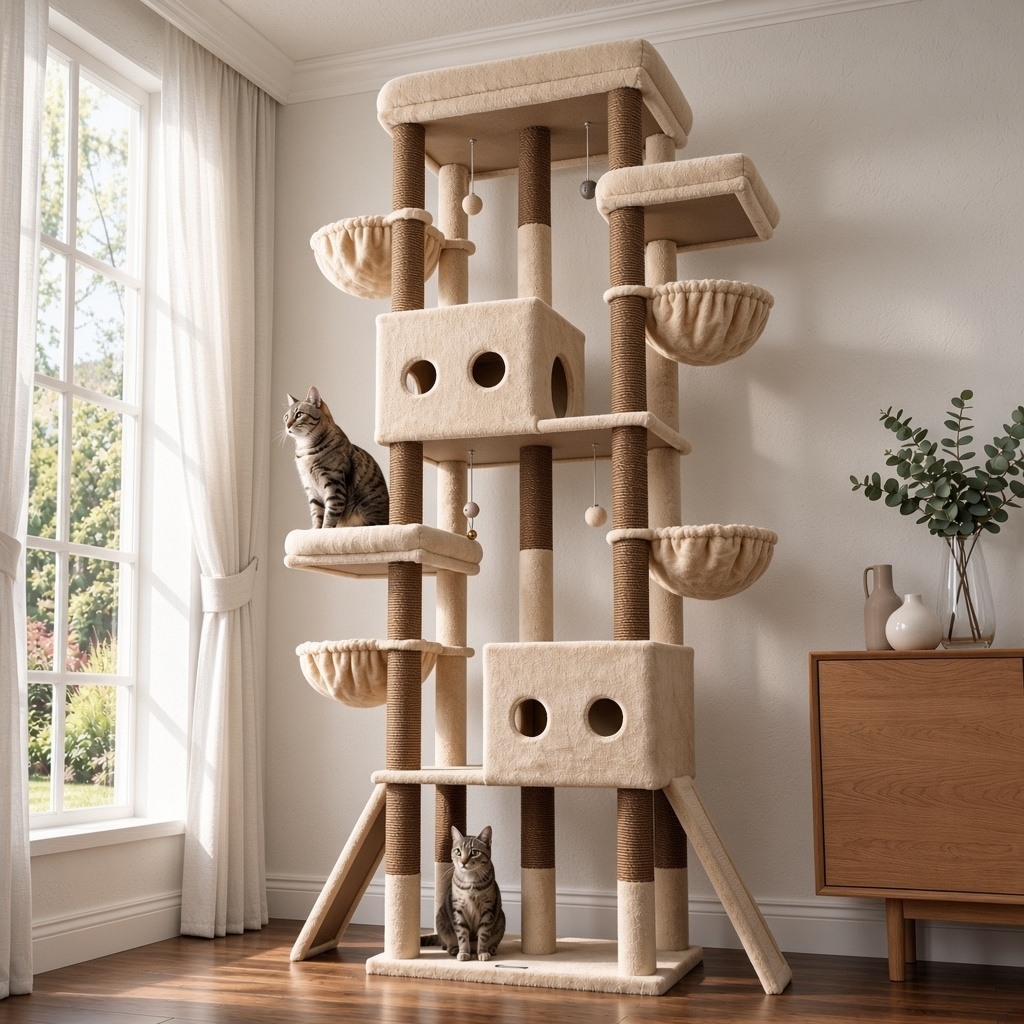
Globlazer retail-facing cat trees lean into room-scale height and furniture-like proportion—wide enough bases for real launches, plush chosen to sit beside throw blankets, posts sized like vertical cabinetry rather than novelty sculpture. Our product team develops towers meant to stay in the main sightline for years, not weekends in a spare room.
Retailers are not becoming interior designers. They are stocking what modern homes already decided: pet routes that respect the sofa on the receipt. Furniture-style pet products are the inventory expression of a quieter consumer question—can this object belong here without a decorating detour? For cat trees especially, the answer increasingly lives in neutral color, edited ornament, and engineering that treats stability as part of the aesthetic brief.
Margin pressure plays a quiet role too. Furniture-style cat trees command better attachment when they sit in lifestyle sets, which protects basket value without discounting the core tower.
Wholesale buyers also report a training benefit. When pet SKUs look like home goods, staff on the floor describe them with the same language they use for lamps and side tables—less category friction, faster confidence at the register.
That is why the channel keeps tilting toward furniture-style assortments. The pet aisle lost its monopoly on attention. The living room set the rules, and retail shelves are catching up.
New Arrivals
Fresh designs, new colors, and limited releases for modern cat homes.