
The Rise of Soft Minimalism in Cat Tree
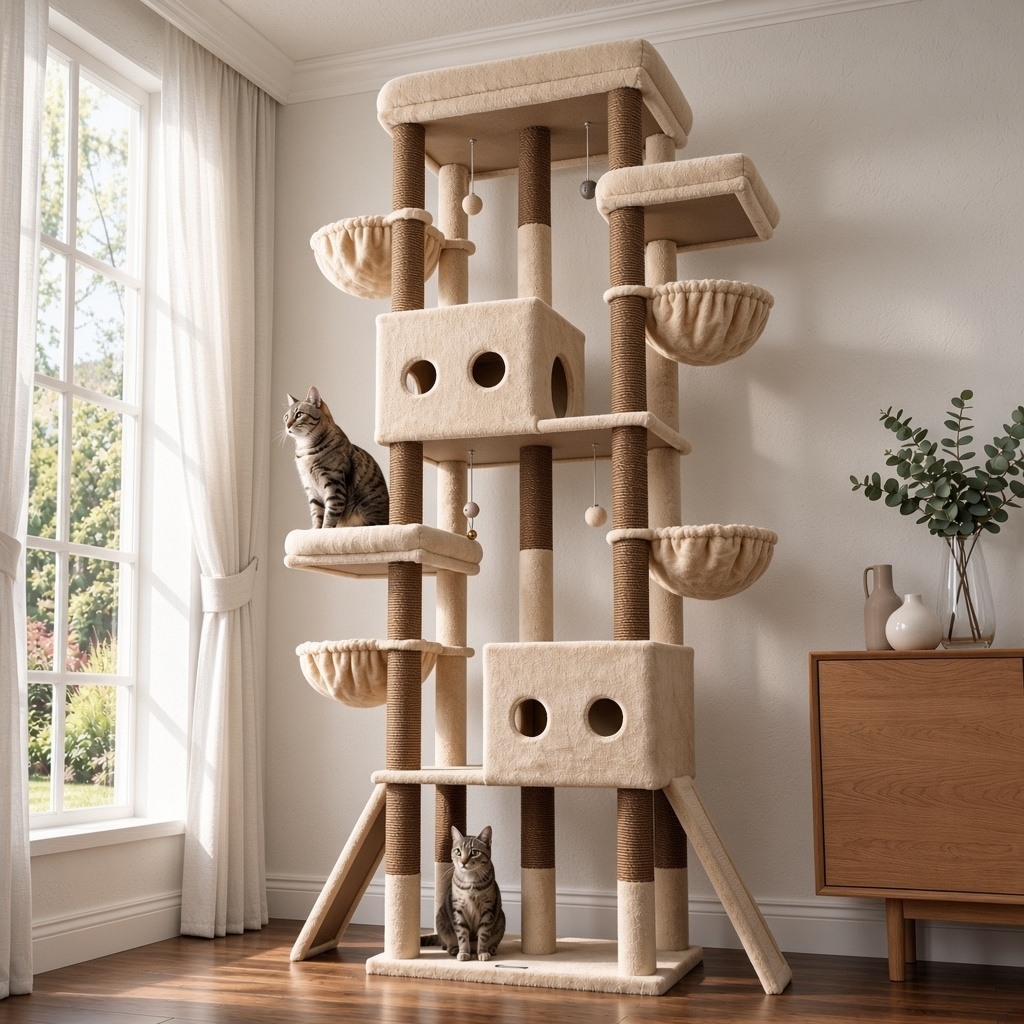
In 2023, soft minimalism in cat furniture felt like an early signal—rounded platforms, muted beige, fewer faux branches, towers that could sit beside a sofa without apologizing. By 2024, that signal became the default request.
At Globlazer, we see soft minimalism less as a sub-trend and more as the new baseline. Owners still want height, sisal, and wide perches. They also want calm: edited silhouettes, warm neutrals, surfaces that read like upholstery instead of novelty carpet.
Home design moved first. Warm minimalism replaced cold grey boxes. Curved furniture softened rental white walls. Low-saturation palettes made rooms feel restful instead of staged. Pet furniture followed because cats moved into the rooms where those choices were made.
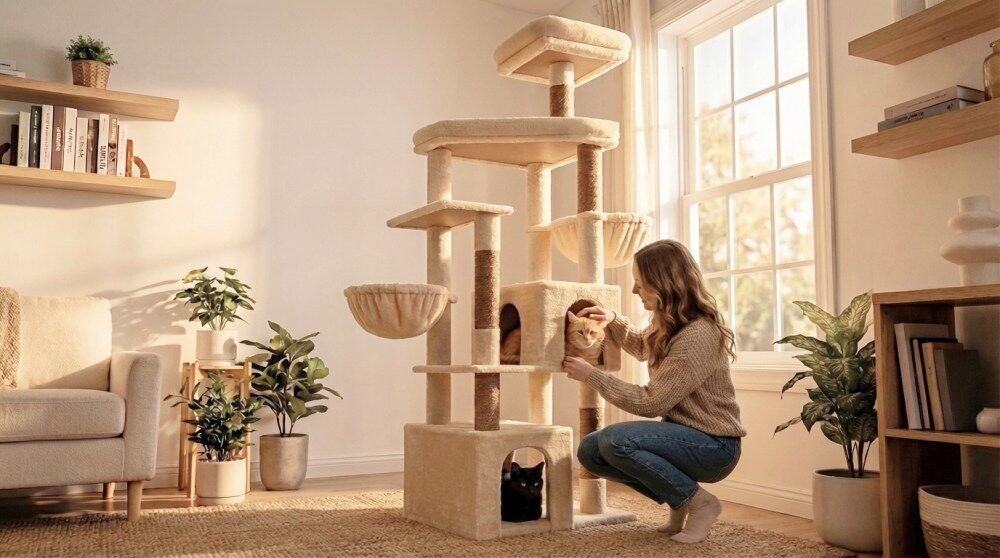
The look has a recognizable recipe now: rounded corners on platforms, BG/DG/LG neutrals, low decoration, honest materials. It is not emptiness—it is subtraction. Remove the paw-print plastic, remove the carnival color, keep the routes cats actually climb.
Industry Updates observation on pet home products keeps returning to the same phrase: integration. Towers are expected to match open-plan sightlines, survive photos beside real furniture, and stay put for years. Soft minimalism is integration translated into form—a cat tree that borrows the same grammar as bookshelves and floor lamps.
Mainstream status did not relax engineering. Calm towers still need wide bases, stable joints, and platforms that forgive athletic launches. The aesthetic got quieter; the physics did not get optional. We widened footprints as a language decision, not a patch—a few more inches at the floor let the climb above stay furniture-scale.
We noticed the shift in support language too. Fewer owners ask for something cute. More ask for something that matches our couch or something that does not look like pet furniture. That is soft minimalism winning in plain speech.
Lighting exposed the same filter. North-facing rentals punish shiny pile; south-facing lofts punish colors that fight afternoon sun. Neutral platforms survived both because they borrowed the room’s existing light story instead of inventing a second one. Owners stopped asking whether the tower matched the cat. They asked whether it matched the room they already finished.
Texture variation is the next refinement—not reversal. Warmer greys, seasonal fabrics, slightly longer pile on top rests—but still within the same quiet envelope. Loud pet aesthetics are not gone from the market, but they are no longer the center of modern cat furniture.
Retail resets tell the story on the shelf. Stores that once stacked novelty shapes now leave negative space between SKUs so neutral towers can breathe. Buyers describe the edit as fewer hero gimmicks, more height ladders in calm palettes—exactly the assortment briefs we discuss when planning next-season lines at Globlazer.
We borrow one habit from compact layouts: repositioning without drama. Towers that slide beside a cabinet after a furniture shuffle survive real apartments; towers that require a dedicated corner die in the first lease renewal. Owners treat mobility as kindness—to themselves and to the cat who must relearn routes when the sofa moves.
Edge cases taught us the same lesson. Towers beside gallery walls need quieter contrast than towers beside busy patterned rugs. We keep two neutral families in sampling—not because owners cannot choose color, but because rooms already did. The product’s job is to agree.
We felt the reverse influence in sample reviews. Coral plush that energized a studio wall exhausted a grey sectional in trial installs. Mist-grey sisal beside white trim read as intentional; printed carpet posts read as imports from another shopping aisle. The room vetoed options the catalog once celebrated.
Soft minimalism rose because modern homes demanded it. Cat trees that ignore that demand still work for cats. They just struggle to earn a place in the room where families actually live—and that struggle is why the trend moved from edge case to default in less than two decorating cycles.
New Arrivals
Fresh designs, new colors, and limited releases for modern cat homes.