
The Rise of Architectural Cat Furniture
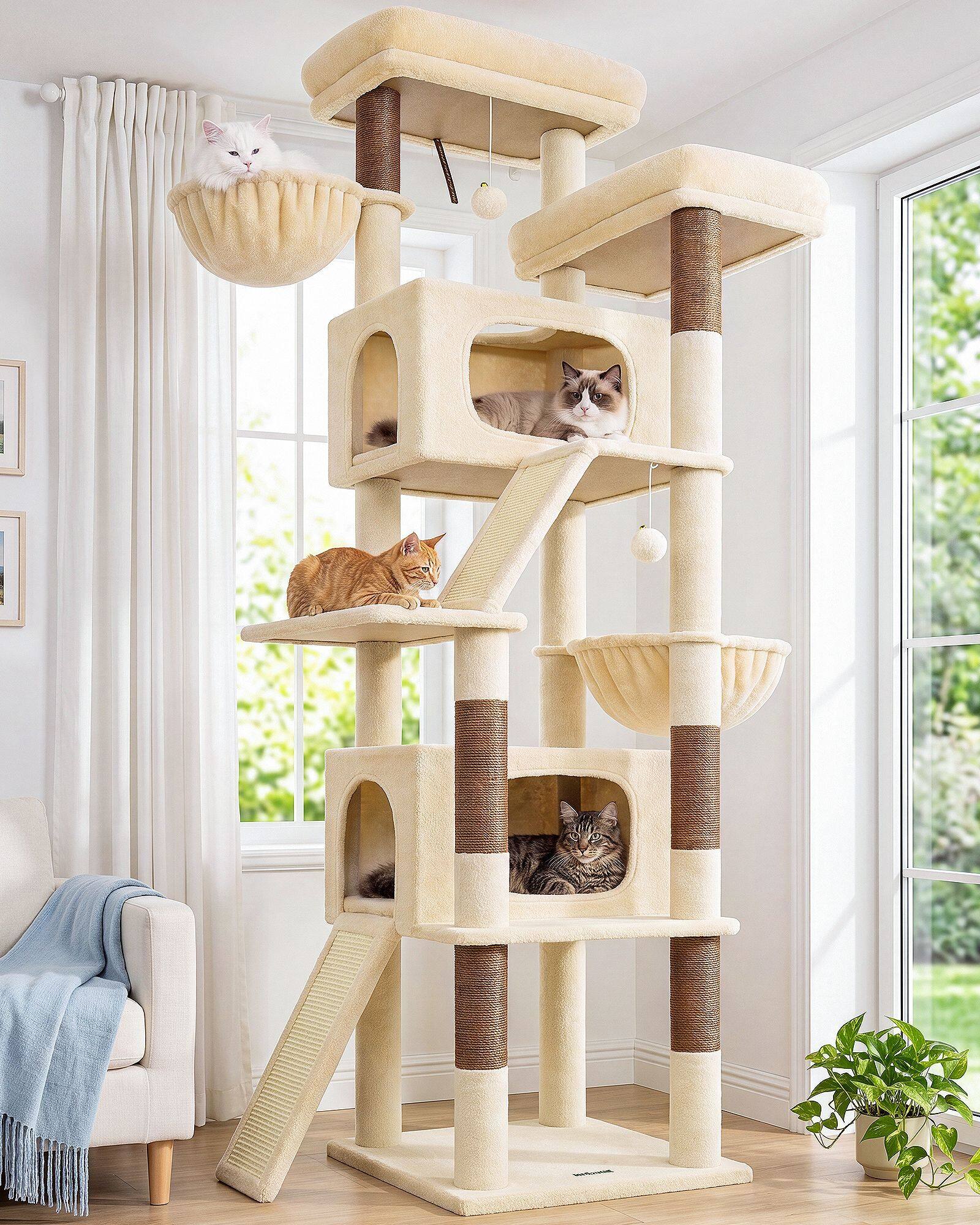
Cat furniture borrowed furniture logic first—neutral palettes, edited silhouettes, the quiet hope that a tower might sit beside a sofa without starting an argument. The next borrow feels more architectural. Vertical structure becomes a spatial element in the room, not a pile of pet features stacked until the box art looks full.
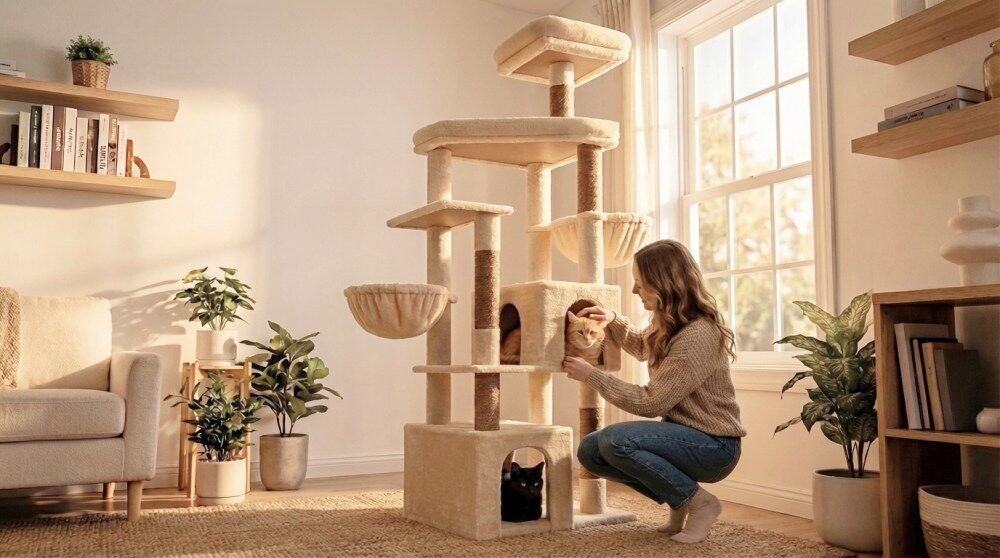
Architectural cat furniture treats posts like columns and platforms like landings. Proportion matters against ceiling height, window headers, and the scale of human seating nearby. A tall cat tree that ignores those references can feel like a prop. One that respects them can anchor a corner the way a narrow bookcase or a floor lamp already does—present, intentional, and part of the room’s geometry.
Honest structure replaces costume. Fewer faux branches, fewer molded novelty shapes, more visible geometry cats can read with their paws and owners can read with their eyes. That does not mean cold minimalism for its own sake. It means the climb path is organized rather than decorated, the way a good staircase is organized: each level has a reason to exist, and the whole form reads as one object instead of three ideas bolted together.
Open-plan homes reward this shift more than closed layouts ever did. When the kitchen, dining area, and living room share one continuous sightline, temporary clutter becomes impossible to hide. A tower that feels intentional can hold a corner without looking like something waiting for donation day. Negative space becomes part of the design, not wasted footprint. The cat still gets height. The room still gets order.
We see architectural thinking show up in small decisions that add up. Platform edges soften without becoming cartoon roundness. Post spacing follows a vertical rhythm that matches how cats pause, turn, and launch. Materials stop pretending to be something else—sisal as sisal, wood tone as wood tone, plush as the warm layer that makes geometry livable. The result is calmer in photos and calmer in daily life, which matters now that the tower is in frame more often than not.
This trend is not brutalism for cats. It is quiet geometry: straight lines softened by fabric, height organized into routes, bases that look planted rather than perched. Owners who live in rented apartments and owners in larger suburban rooms are asking for the same thing in different scales—a cat tree that respects the architecture already in the room instead of competing with it.
Globlazer tall lines increasingly reflect that language. Room-scale height, wide bases that recover from real launches, platforms sized for confident turns, and neutral finishes that let structure lead and texture follow. Our product team talks about towers the way interior stylists talk about vertical accents: what does the eye travel up toward, and where does the cat want to stop on the way.
Architectural cat furniture rises because modern rooms ran out of patience for shapes that only make sense in a pet-store photo. Cats still need routes upward. Rooms still need a sense of composition. The brands that listen to floor plans—not only product renders—are the ones building cat trees that feel like they belong after the boxes are recycled.
The rise is still unfolding, but the direction is legible. Pet furniture is learning the same lesson residential design learned years ago: fewer shouting details, more durable quiet, and forms that can stay in place when the room around them changes.
For owners, the payoff is practical as well as visual. A tower that respects room geometry is easier to place beside a window, easier to photograph without looking like an afterthought, and easier to keep when the rest of the furniture evolves. Architectural cat furniture is not a style trend floating above daily life. It is vertical design finally learning the language the room already speaks.
New Arrivals
Fresh designs, new colors, and limited releases for modern cat homes.