
Designing Vertical Spaces for Large Indoor Cats
When Theo adopted a young Maine Coon mix named Bruno, the first cat tree looked tall enough on the product page. In the apartment, Bruno climbed once, hung halfway off the top perch, and never went back. The tower stood by the window like unused furniture—present, expensive, and ignored.
The issue was not height alone. It was vertical space designed for large bodies. A single wide platform at the summit is not a route; it is one stage with no backup options. Large indoor cats need landings the way hikers need switchbacks—places to turn, groom, and decide whether the next level is worth the launch.
Theo noticed the pattern on ordinary evenings. Bruno watched birds from the back of the sofa because the fabric was wide enough to trust. He ignored the narrow top tray because momentum plus length made the edge feel like a dare. When a cat tree telegraphs sway on the first jump, a big cat files it under “not for me” faster than any marketing photo can undo.
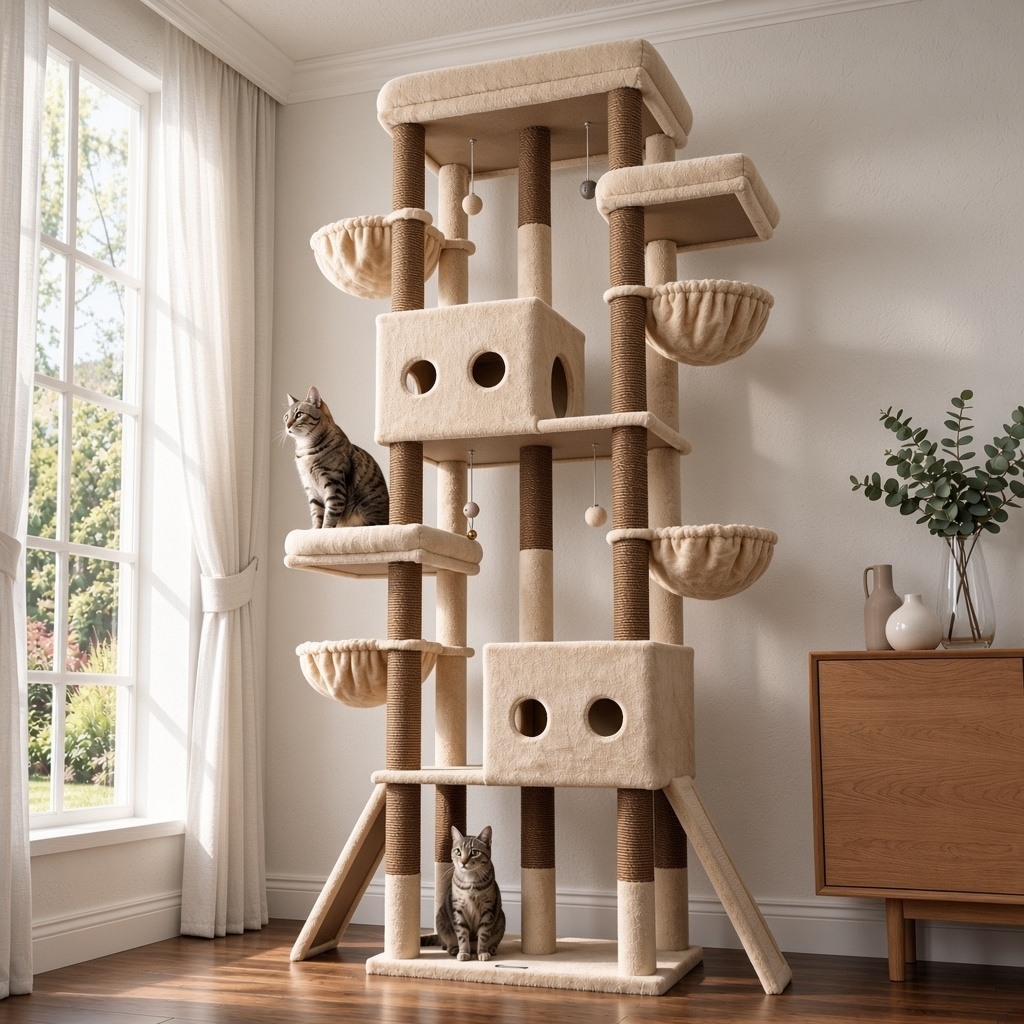
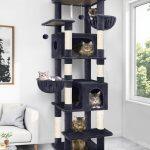
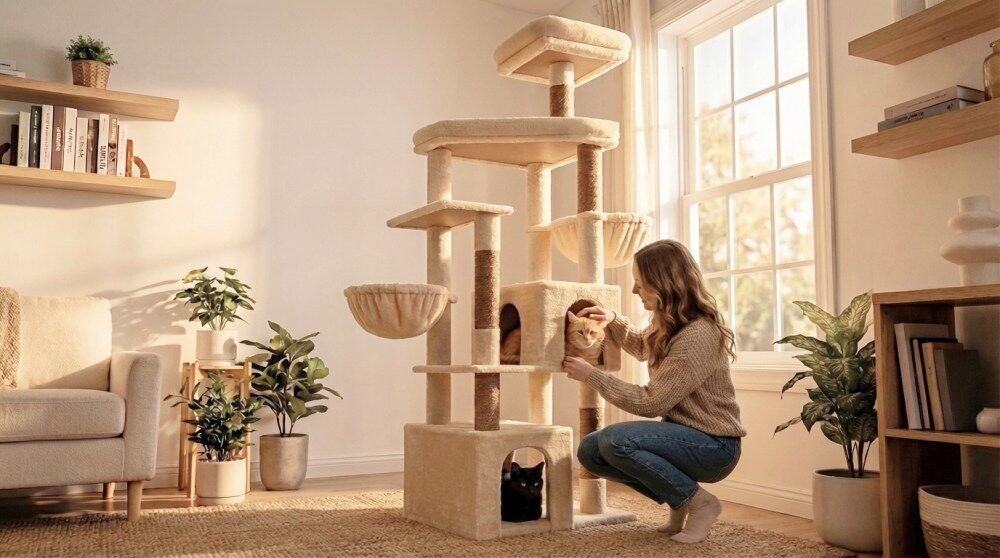
The replacement was deliberate. Theo chose a Globlazer structure that stacked wide platforms at two heights: a mid-level rest beside the window for afternoon heat, and an upper deck for dawn patrol when pigeons crossed the sill. Bruno uses both, depending on light, mood, and whether the radiator had been running under the floor vent.
Weekend mornings became the proof. Bruno would climb to the mid platform, stretch full length without hanging over the edge, and watch the street with the slow blink of a cat who owns the view. On colder days he claimed the upper perch where warm air pooled near the ceiling. Theo stopped moving the old tower “one more time” to find a better corner—the layout finally matched how a large cat actually lives indoors.
Designing for large cats is designing for momentum—athletic weight that still wants height without feeling exposed. Platform width is not a luxury spec; it is the difference between a perch that invites a full-body loaf and one that becomes a balancing act. Stability matters as much as square inches. Bruno launches; the frame has to recover without a visible wobble that reads as fragile.
Vertical space also changed the room’s social geometry. When Theo had guests, Bruno stayed elevated but relaxed—visible, not underfoot, not hiding behind the bedroom door. The tower became part of the apartment’s daily rhythm: climb, rest, descend for water, return to the window line. That is what lifestyle design means for big indoor cats—not a taller accessory, but a believable route through the hours.
Evening routines shifted in small ways. Bruno would descend for dinner, then return to the mid platform instead of the sofa arm—same sightline, better width. Theo realized the old tower had asked Bruno to adapt to pet-aisle proportions. The new layout asked the room to adapt to a cat who simply needed more honest landings.
If you share a modest floor plan with a cat who weighs like a small dog, start with width and trust before you chase inches on the spec sheet. The right vertical space should feel like the room grew an extra layer of furniture, not like you negotiated a compromise between human taste and cat physics.
New Arrivals
Fresh designs, new colors, and limited releases for modern cat homes.