
Sustainable Materials in Modern Cat Furniture Manufacturing
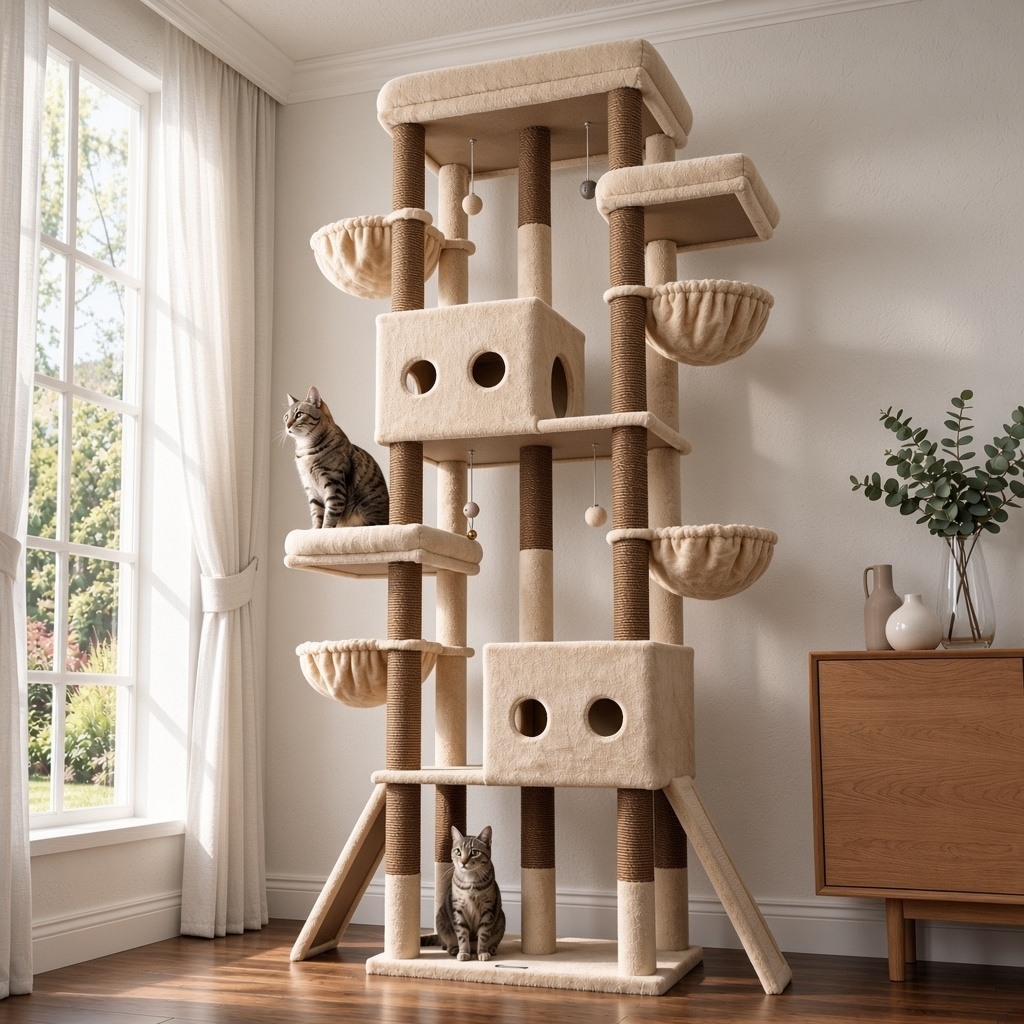
Sustainable material work at Globlazer is not a slide in a deck—it is a set of choices on every tall cat tree line: which wood grades enter structural cores, which adhesives bind platforms without lingering solvent smell, and which sisal lots survive claw traffic without being replaced in the first season.
We prioritize documented wood chains where retail programs require them—FSC-certified paths for visible and structural members when buyers need traceability folders. That documentation is boring until a EU door audit asks for it; then it is the difference between listing and waiting.
Low-VOC and water-based bonding systems sit on surfaces cats sleep against daily. The goal is nursery-adjacent peace of mind: no sharp chemical note when a platform arrives, no trade-off that asks families to air out a tower for a week before use. Adhesive choice is invisible engineering—it should stay invisible.
Recycled board shows up in non-visible cores where stiffness matters more than showcase grain—mass moved out of virgin material without pretending the tower is a sculpture. We are honest about where recycled content lives: inside the structure, not as a marketing veneer on sisal posts cats ignore.
Renewable wear zones
Renewable sisal remains the honest answer for scratch zones. The sustainability conversation fails when a green tower swaps sisal for a film that cats ignore. Our direction pairs renewable wrap with replaceable posts so wear parts can retire without landfilling an entire structure. A cat tree that lasts eight years with two post swaps beats a biodegradable novelty that gets discarded in eight months because scratching stopped.
Buyers and families ask different questions—compliance folders versus living-room calm—but both want materials that behave quietly in a home. Upcoming catalogs carry the same neutral palettes with cleaner material Customer Stories underneath: documented wood where required, water-based bonds on sleep surfaces, sisal that earns daily use.
Water-based adhesives on sleep surfaces required revalidation with plush lots—bond strength after humidity cycling, edge lift after claw traffic. We accepted slower cure windows in production because families should not smell solvent when they unwrap a platform.
FSC paths are not universal on every SKU; they activate when a retail door requires traceability. Internally we still audit lot codes on structural plywood either way, so when a buyer asks, the folder exists without a scramble.
Recycled core boards trade showcase grain for stiffness per kilogram. Engineering models place them where cats never see but posts always load. Honest sustainability means naming that trade, not greenwashing sisal cats already use daily.
Retail folders and family kitchens ask the same question in different words: will this material calm down once it lives in the room? Water-based bonds, documented wood when required, and sisal that cats actually scratch are how Globlazer answers—on every tall line, not only the press-friendly SKUs.
Replaceable wear zones remain the practical sustainability lever. A post swap beats a landfill tower; a documented adhesive beats a smell families notice on day one.
That is the manufacturing bar Globlazer is holding across upcoming tall cat tree catalogs.
New Arrivals
Fresh designs, new colors, and limited releases for modern cat homes.