
The Evolution of Modern Cat Furniture Design
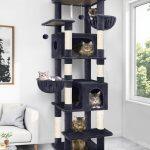
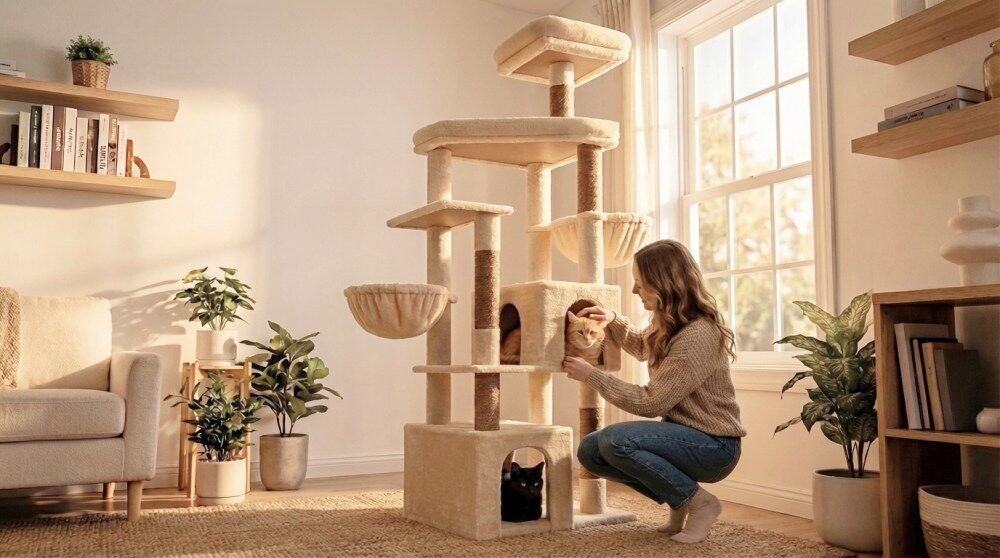
For years, the cat tree sat in a category of its own—useful, loud, and easy to exile to a spare room. Walk through a North American or European living room today and the picture is different. Tall vertical structures share sightlines with sofas and shelving. They carry neutral palettes. They behave like furniture when a cat launches to the top platform at dusk. That shift did not happen because scratching posts became prettier. It happened because structure, materials, and aesthetics started answering the same brief at once.
At Globlazer, we watch this arc from inside product development. The modern cat tree evolved from a functional object owners tolerated toward a furniture-style tower they choose to keep in open plan space. Understanding that journey helps explain what buyers now expect—and why the category keeps moving toward calmer silhouettes, heavier bases, and surfaces that feel chosen rather than assigned.
When structure became the story
Early mass-market towers optimized for novelty: bright carpet, faux branches, condos that announced the pet aisle before a cat ever climbed them. They scratched and slept fine. They also wobbled. Narrow footprints, tall silhouettes with little weight down low, platforms sized for average cats—not for a Maine Coon clearing two levels in one leap. Owners learned quickly that instability equals unused furniture. So the first real design conversation in modern cat furniture was not about color. It was about physics.
As towers grew room-scale, surviving designs treated stability as language, not a footnote. Wider footprints. Revised joint methods. Attention to how load travels when two platforms are occupied at once. Height became a promise only if the base could answer it. That is where the cat tree split from toy logic. A tower that stands beside a sofa is a structural object. It must feel secure on climb number three hundred, not only when photographed empty.
We develop tall structures with that expectation from the first sketch. Platform spacing follows how indoor cats actually route—pause points, launch angles, scratch zones along the path they already use. Because when a cat trusts the climb, the tower earns its floor space. When it does not, no amount of plush recovers the purchase.
Materials that changed the daily experience
Structure opened the door. Materials walked through it. Plush on early towers often read as shiny polyester—fine for a weekend, less convincing after months of compression and daylight. The upgrade was upholstery logic: matte pile, neutral dyes, fabrics chosen for recovery after a cat has napped through an afternoon. Sisal wraps stopped being decorative rings and became routing decisions—guiding claws along paths cats naturally take when they ascend.
Owners began comparing platforms the way they compare sofa fabric: touch under hand, color in north-facing light, how edges finish where a paw drags daily. Materials stopped hiding under novelty shapes. They became the surface cats live on—and the surface humans see from the dining table. That dual audience is new. It is also why our BG, DG, and LG systems keep returning across collections: beige, dark grey, and light grey sit quietly against rental walls, oak floors, and the neutral upholstery common in U.S., Canadian, and European apartments without shouting for attention.
Because materials carry behavior too. A platform that stays visually calm after compression reads as permanent. A post wrapped where scratching already happens reduces the urge to redirect claws toward chair arms. Material choices are not trim packages anymore. They are part of how a cat tree earns its place beside human furniture.
Aesthetics completed the brief—not as decoration layered on top, but as proportion, silhouette, and visual quiet. Home trends pulled pet products into open-plan sightlines. Open shelving, edited furniture lines, and smaller footprints in urban flats meant anything tall and busy fought the room. The question shifted from Will my cat use it? to Will I keep it here when people visit?
Integration became the market word, but the mechanics were spatial. Pet humanization was never sentimental only. Cats as family members meant cat furniture as household furniture—vertical territory that respects the same sightlines as a bookshelf. Silhouettes slimmed. Pet-themed symbols faded. Proportions started matching case goods: edited vertical lines, platforms that read as ledges rather than carnival stacks.
That is the furniture-style cat tree we keep refining: not a tower that tries to disappear, but one that belongs—height without visual noise, neutral tones that travel across seasons, forms that look intentional from the entryway.
Where does the category go next? Modular thinking, multi-cat routing, concepts that respond to room height rather than one-size templates—all push the cat tree closer to interior design than to pet consumables. The direction is already clear. Winners respect physics, respect materials, and respect the room they stand in.
Modern cat furniture design did not improve on a single axis. It converged. Structure made height believable. Materials made daily use humane for cats and acceptable for adults. Aesthetics made open-plan coexistence possible. That convergence is not fashion. It is what happens when indoor cats and indoor adults share the same square footage for years—not weekends—and finally expect the same object to serve both.
New Arrivals
Fresh designs, new colors, and limited releases for modern cat homes.