
Furniture-Inspired Pet Products and Future Retail Trends
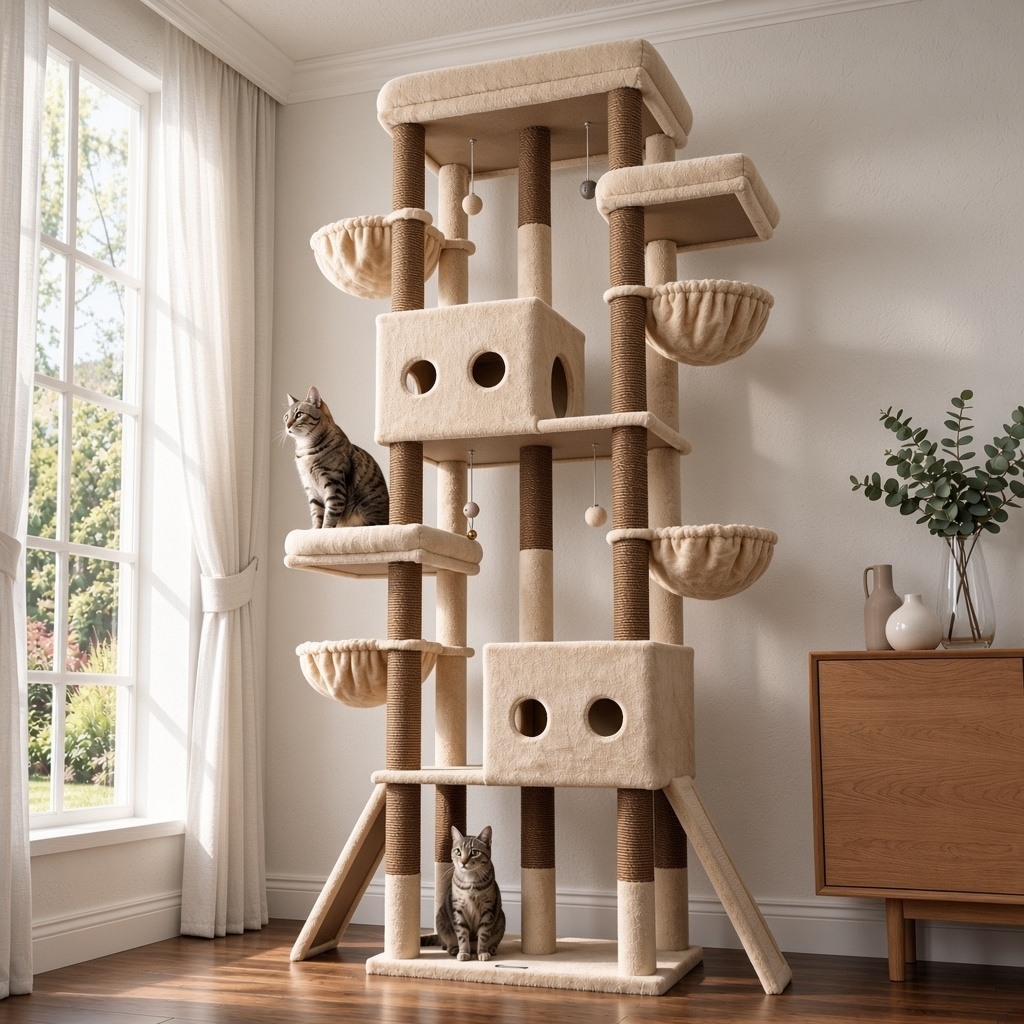
Furniture-inspired pet products are no longer a niche styling exercise. They are a retail reset—one that treats a tall cat tree the way a floor set treats a side table: proportion first, palette second, longevity third. For buyers and merchandisers planning 2026 assortments, the question shifted from Will cats use it? to Will the living room still accept it after month six?
The design language is easy to describe and hard to fake. Calm neutral envelopes—beige, soft grey, disciplined two-tone—replace loud pet symbols. Posts read as vertical structure, not cartoon branches. Platforms read as landings sized for pauses, not shelves pretending to be jungle. Touch matters because online discovery now leads with texture close-ups beside human upholstery. Furniture inspiration is really upholstery logic applied to climb infrastructure.
What retail floors are changing
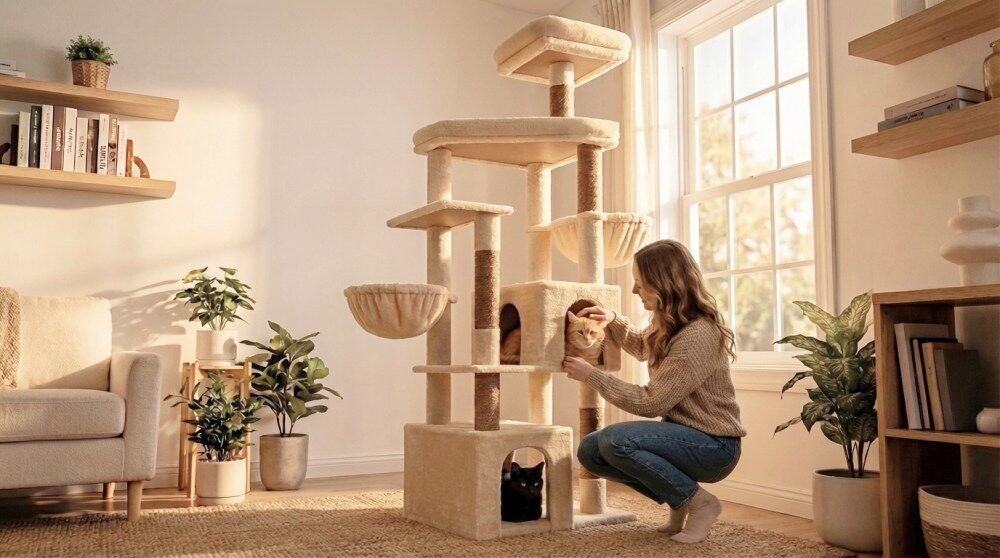
Industry Updates observation points toward living-room vignettes instead of isolated pet corners. Towers staged beside sectionals and rugs outperform bright stacks under fluorescent pet-aisle signs—because shoppers decide with sofa sightlines. Cross-aisle placement accelerates the trend: pet home goods co-located with decor and soft furnishings, sold with slower furniture logic rather than impulse novelty cycles.
That shift changes SKU strategy. Retail buyers increasingly stock neutral trios—BG, DG, LG families that can merchandise across regions without color gambles. They ask about connector families and sisal lot traceability because returns now arrive with living-room photos, not only claw complaints. A mismatch reads as decor failure, not pet failure.
B2B evaluation criteria matured in parallel. Beyond price and carton strength, buyers score modular expandability—can a household add a landing when a second cat arrives without visual chaos? They score neutral lot consistency—will a replacement post match eighteen months later? They score documentation burden: assembly clarity, wear-zone replacement paths, photography assets that do not require retouching to sit beside linen.
Future retail trends favor fewer SKUs with higher room stays. Integrated vertical systems replace scatter plots of scratchers, perches, and toy piles. Pet-friendly interiors described in design media—warm minimalism, soft edges, natural textures—pull assortments toward matte plush, woven sisal, and silhouettes that respect ceiling lines. Smart features may grow, but the baseline expectation is calmer composition, not louder gadgets.
Globlazer programs reflect the buyer conversation we hear repeatedly: planted bases for open-plan stability, mid-tower widths for honest pauses, modular lines that share hardware across heights. Furniture-inspired pet products succeed when they stop auditioning for attention and start passing the side-table test—would you keep this object in the photo?
The next retail cycle will reward brands that merchandise like home—not like carnival. Furniture-inspired cat tree lines that photograph beside human furniture, document wear honestly, and ship neutral lots consistently are positioned for longer floor life and fewer color-driven returns. That is the future trend in one sentence: pet verticals specified like furniture, sold like furniture, judged like furniture.
Online marketplaces amplify the same filter. Hero galleries that show towers beside rugs and sectionals outperform isolated white-background renders because shoppers simulate the living room before they simulate the cat. Listing videos that include a one-hand stability cue—planted base, calm post—answer aesthetic anxiety faster than height bullets alone.
For OEM and wholesale partners, the implication is documentation as merchandising: connector family charts, neutral lot codes, replaceable wear-zone maps. Buyers are stocking programs they can explain to store teams without pet-aisle jargon. Furniture-inspired pet products win when the sales story sounds like home planning—not like novelty import.
Globlazer assortments for 2026 lean into that reality: fewer loud shapes, more planted stability, modular lines that let retailers offer growth without exploding SKU count. The future retail trend is not more pet objects on the floor. It is better vertical objects that stay there.
New Arrivals
Fresh designs, new colors, and limited releases for modern cat homes.