
Minimalist Homes Are Changing the Pet Industry Updates
Minimalism was never only about owning less. It is about owning with intention—fewer objects, clearer lines, materials that do not argue with each other. When that philosophy moved from design magazines into everyday apartments, the pet Industry Updates had to respond.
For decades, pet products could win by being loud—bright colors, busy shapes, novelty attachments. Minimalist homes punish that approach. In an edited living room, a chaotic cat tree becomes the first thing you want to remove.
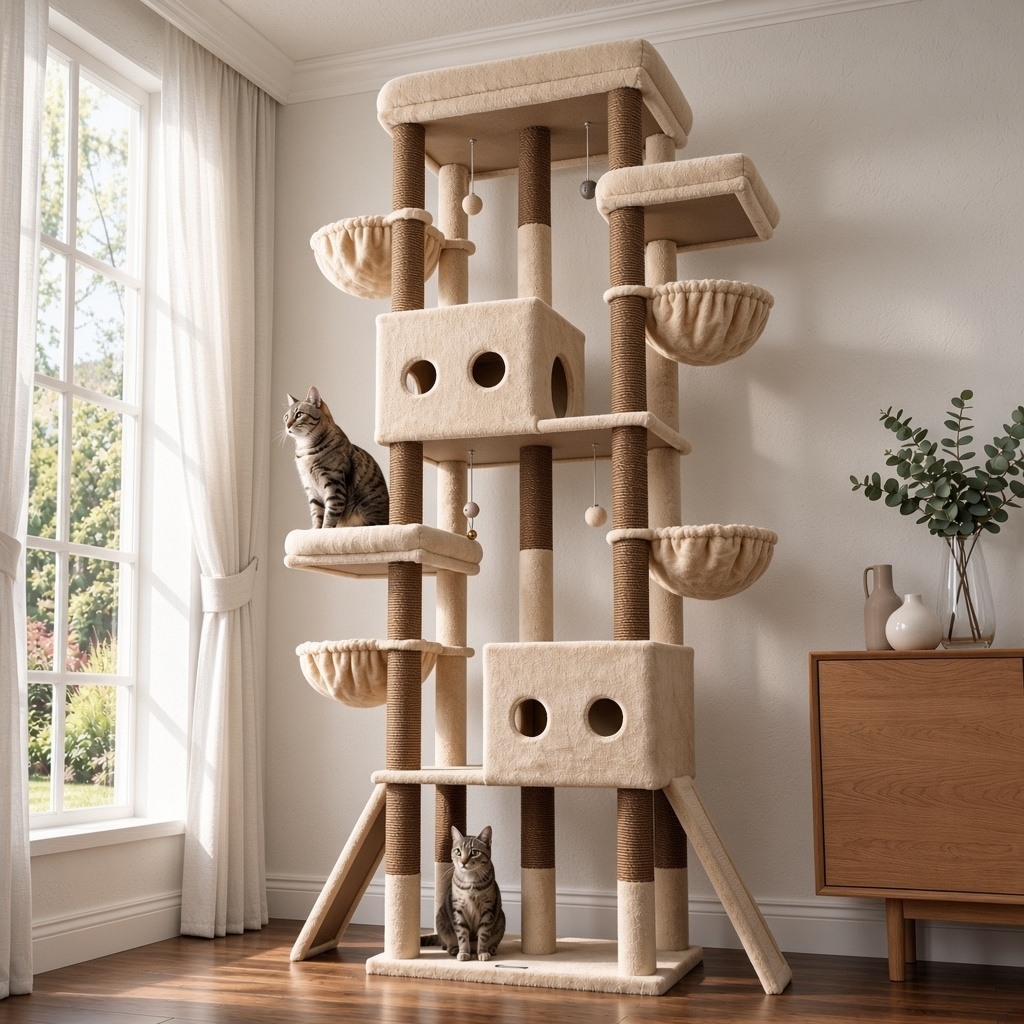
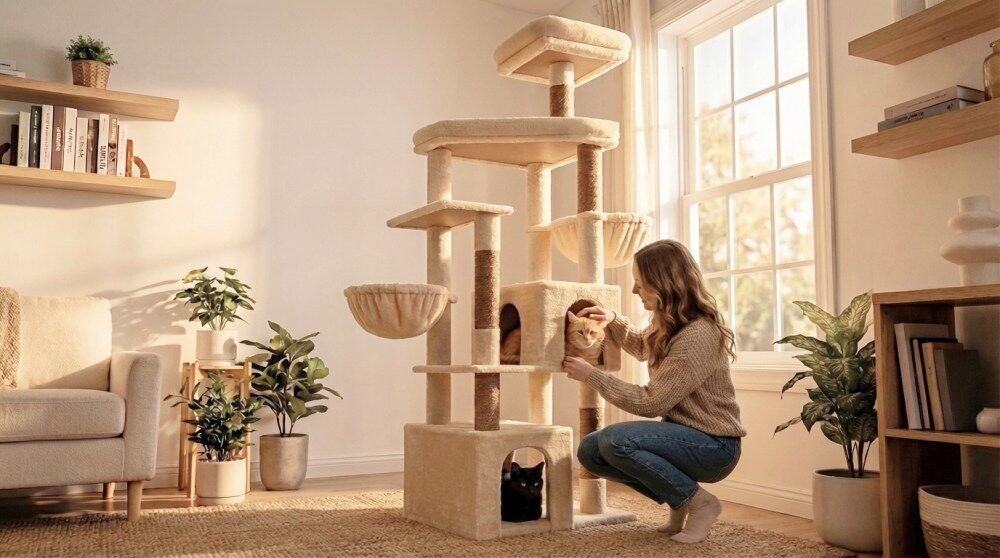
The shift is structural, not cosmetic. Owners now plan pet corners the way they plan sofas: one permanent object, chosen for longevity, compatible with neutral walls and open walkways. That is why demand keeps rising for furniture-like cat trees—calm silhouettes, warm greys and beiges, surfaces that read like upholstery.
From accumulation to one vertical piece
Open-plan layouts raise the bar further. When kitchen, desk, and sofa share one sightline, every large object is judged twice—how much floor it takes, and how much visual noise it adds. Minimalist homes reward vertical solutions that stay slim: height for cats, footprint for humans.
Material honesty follows. Minimal interiors dislike fake textures—plastic bark, glossy faux wood, patterns that mimic nature badly. Owners want sisal that looks like sisal, plush chosen for touch, posts in believable wood tones. Pet products must perform without pretending to be something else.
At Globlazer, we treat minimalist homes as a design brief, not a niche. It is why we trim silhouettes before adding decoration, why BG/DG/LG palettes repeat across tall towers, and why stability engineering matters as much as photography. A cat tree that wobbles on the first jump fails the brief before color ever enters the conversation.
The pet Industry Updates’s answer cannot be hide the pet stuff. Cats still need routes, scratch surfaces, and high perches. The answer is better objects—edited, stable, neutral—that earn a decade in the room instead of a season in the spare closet. One tower replaces three smaller pieces when it maps entry sisal, mid perch, and window-line rest in a single footprint.
Retail floors mirror the shift. Lifestyle photography places towers beside throw pillows and oak side tables; buyers compare nap direction and matte recovery the way they compare cushions. Pet products are being reviewed with interior standards—touch, proportion, longevity in the sightline—not with novelty alone.
Compact apartments amplify restraint. When living rooms are also dining rooms, towers must stay slim and quiet. Minimalist compact housing rewards materials that look edited at close range—because close range is where people live. Sound discipline matters in thin-walled flats: a planted base that does not creak on landing keeps the tower in the living zone instead of exiled to a bedroom.
We run the same brief on towers bound for North American studios because the questions crossed every ocean first. Low-odor plush, matte sisal, corners that survive vacuum passes—these are defaults once owners judge cat furniture beside linen curtains instead of beside squeaky toys in a cart.
Minimalist homes are not cat-hostile. They are clutter-hostile. The brands that thrive will be the ones that treat pet furniture like furniture—quiet when still, confident when climbed, honest about materials.
Longevity math changed with minimalist rooms. A family that edits once buys a tower that survives three decor refreshes instead of one. That is not austerity for cats—it is fewer loud mistakes in the same footprint, which is how furniture-like cat trees earn their place beside human chairs.
Seasonal light swings punish materials that only looked good under showroom spots. We cycle swatches through window-facing and corner-shade trials before approving a pile height. A platform that breathes in June but pills by October fails the minimalist brief the same way a glossy print fails beside oak in November.
That is the Industry Updates change underway: from accumulating pet objects to choosing one vertical piece that respects how modern rooms are actually lived in—and cats, who read territory in layers, often prefer the edited result when routes sit where light and motion already are.
New Arrivals
Fresh designs, new colors, and limited releases for modern cat homes.