
Choosing the Right Sisal Texture for Everyday Scratching
Scratching is daily ritual, not a feature bullet. At Globlazer, sisal decisions start there—before color, before platform shapes—because cats vote with their claws on repeat visits.
We compare rope diameters the way textile teams compare yarn weights. Thicker sisal can feel substantial under a full-body stretch; thinner rope can wrap tighter around posts and change the sound and resistance of a scratch. Neither is automatically correct. The right texture is the one cats return to along their actual routes—doorways, sofa corners, the path from food bowl to window.
Wrap tension matters just as much. Too loose, and the surface gives unevenly; too tight, and the post can feel glassy instead of inviting. Our sample wall still has sections labeled by month, not by marketing names, because durability shows up gradually.
Placement follows behavior
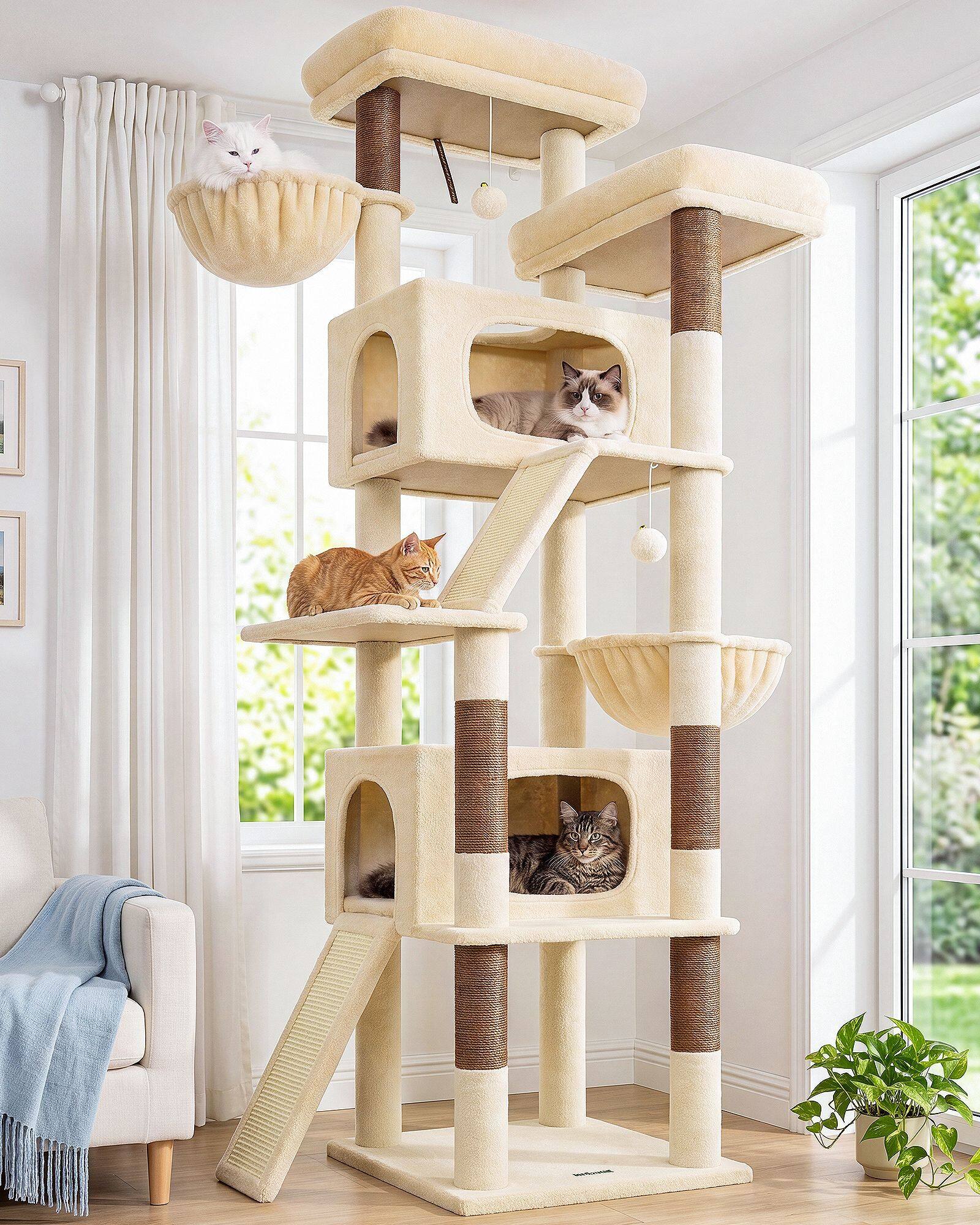
We put sisal scratching columns where climbs begin and where cats pause—not clustered for symmetry alone. A beautiful tower fails quietly when the best scratch point sits behind a platform cats rarely touch.
Sound belongs in the texture conversation, too. Some households notice scratch acoustics in open-plan rooms. Tighter wraps can sharpen sound; looser wraps can dull it. We refine lots with apartment layouts in mind, not only with warehouse abrasion charts.
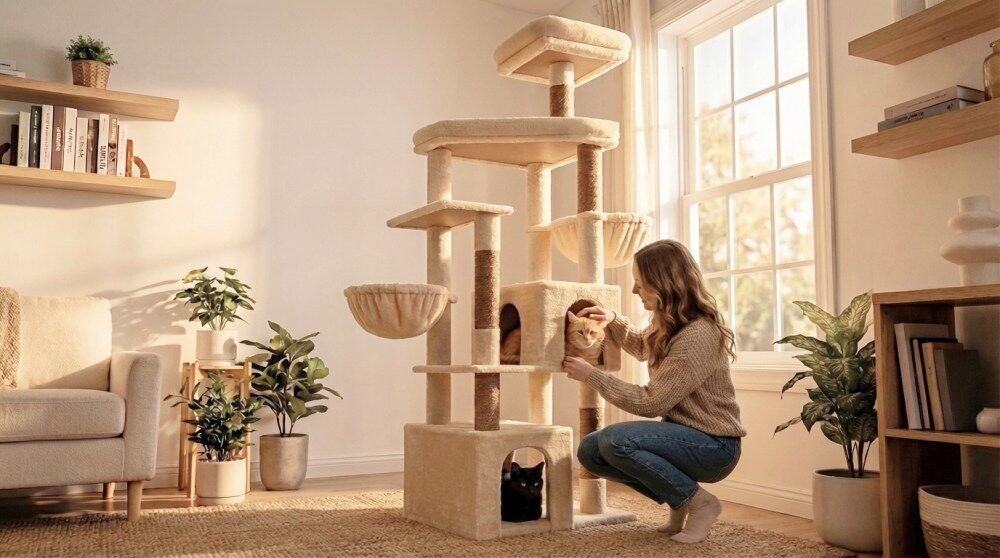
Dual-post towers need consistent diameter across columns. Cats notice when one post feels different mid-climb. Lot screening keeps wrap texture matched across a full cat tree, not only on the hero column in photography.
Replacement logic matters for long ownership. Sisal is a wear surface. Designing posts that can refresh without retiring the whole tower keeps daily scratching honest years after delivery.
Humidity shows up in sisal feel before it shows up in spreadsheets. Coastal apartments can loosen wraps seasonally; we refine tension guidance with those homes in mind. A post that feels different after a humid summer teaches cats to scratch elsewhere—usually the sofa arm.
We document wear with photographs, not score sheets. Month-six fray patterns tell us which lots earned repeat claws and which looked good only on day one. That archive feeds the next Globlazer cat tree development cycle without turning News into a materials report.
Sample boards in our studio still compare three diameters side by side on the same post height. Visitors scratch with their knuckles; cats scratch with full shoulders. The board that feels lively to a human hand sometimes feels dead to a cat—another reason sisal choices stay grounded in observation, not assumption.
Color stays neutral on purpose. Sisal is the texture story; beige and grey platforms should not compete with the column cats actually claw. A calm palette keeps attention on the wear path that matters.
Everyday scratching is repetitive physics. The right sisal lot feels consistent on visit one and visit five hundred—consistency cats notice even when humans do not.
Choosing sisal is choosing rhythm: morning stretches, evening bursts, the slow wear patterns that tell you a post is earning its place. That is the bar we use in every tower we develop at Globlazer.
New Arrivals
Fresh designs, new colors, and limited releases for modern cat homes.