
Furniture-Like Pet Products and the New Consumer Mindset
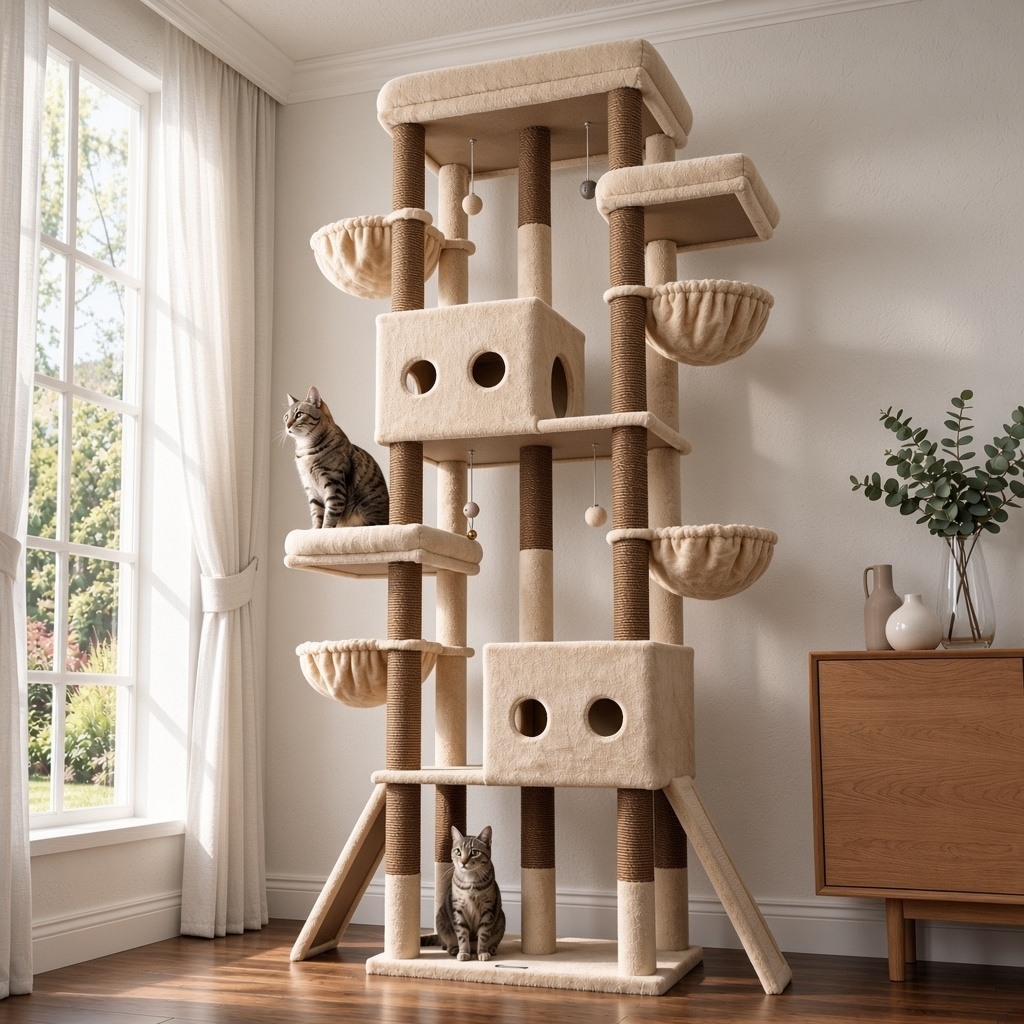
Furniture-like pet products are not a niche aesthetic anymore—they reflect a shift in how people think about pets at home. When cats are treated as daily family members, their belongings stop being “tolerated utilities” and start being part of the living space people carefully curate.
The mindset change shows up in the questions shoppers ask. It is not only “Will my cat use it?” but “Will I live with it?” Safety and materials matter, but so do proportion, surface calm, and how an object behaves in daylight. A cat tree is tall, textured, and hard to hide; it must earn its place like a chair or a lamp.
That shift did not arrive overnight. For years, pet items lived in a separate mental category—useful, but not part of the design conversation. Today, the same buyer who compares sofa fabric swatches will compare plush pile and post diameter. They want the object to feel permanent, not provisional. Furniture-language—honest structure, stable bases, wide landings—signals that permanence better than novelty shapes ever could.
From pet corner to living-room acceptance
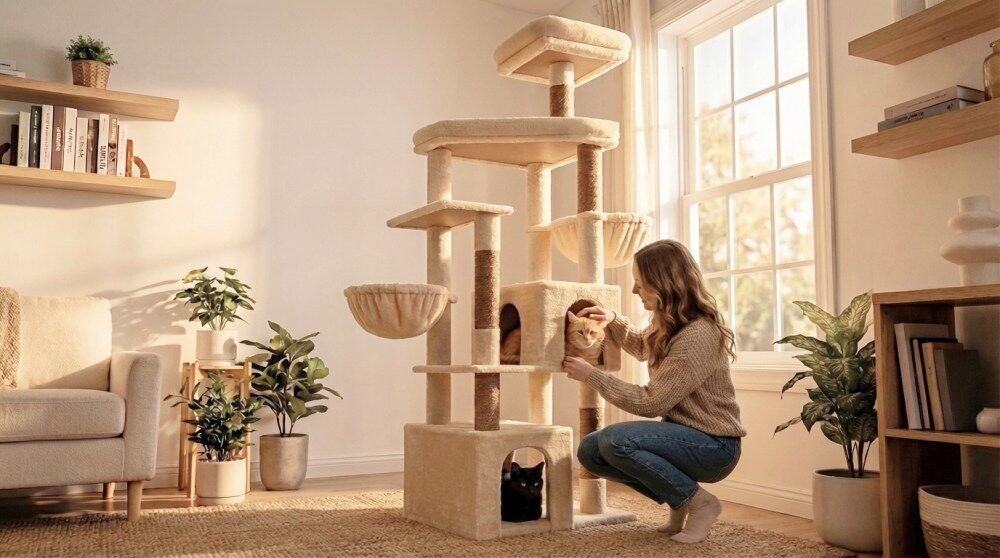
Once the living room becomes the benchmark, the category evolves quickly. Loud patterns and novelty shapes look childish next to neutral upholstery. Furniture-adjacent silhouettes read as purposeful. Lifestyle photography accelerates the shift: products are judged by the room frame, not by a warehouse aisle.
Open-plan homes make the test harsher. There is no spare room to absorb visual noise. A tower placed beside seating becomes part of the sightline the moment someone sits down. Consumers respond by choosing objects that echo human furniture proportions—slimmer upper volumes, quieter edges, surfaces that look like upholstery rather than costume.
This is also why “blend-in” moved from premium promise to baseline expectation. If a tower clashes with the room, it becomes a constant irritation. If it fits, it becomes infrastructure: a vertical route by the window, a rest point near the sofa, a daily habit that does not damage the atmosphere of the home.
The mindset change has supply-chain echoes too. Retail buyers increasingly brief for neutral colorways, modular expansion, and packaging that protects furniture-grade finishes. They are sourcing an experience—unboxing, assembly, first impression in the room—not just a unit that scratches and climbs.
Younger pet households amplify the trend. Many grew up with design-forward interiors on social feeds and expect the same standard from pet brands. A product that looks like it belongs in a curated apartment is not vanity—it is how they decide whether a brand respects their home.
Even maintenance language has changed. Consumers ask how surfaces age, whether sisal can be refreshed, and whether a tower can stay in the room for years without looking tired. Those are furniture questions applied to a cat tree.
We hear the same story from retail partners: shoppers arrive with sofa photos on their phones, not pet-store checklists. They want confirmation that a tower will respect the room they already built. Furniture-like pet products are the answer to that question—not a marketing label, but a permission slip to keep the product in sight.
That permission is what the new consumer mindset is really buying.
For brands, the new mindset raises the bar. Better design is no longer an optional upgrade; it is the cost of entry for large, permanent objects in a shared space. At Globlazer, we see the same direction in briefs across markets: fewer requests for “something small,” more requests for something that belongs in the room. Furniture-like is not a style trend—it is how consumers now define respect for their homes. The brands that ignore that shift will keep winning warehouse metrics while losing living-room permission.
New Arrivals
Fresh designs, new colors, and limited releases for modern cat homes.