
Why Pet Furniture Is Becoming Architectural
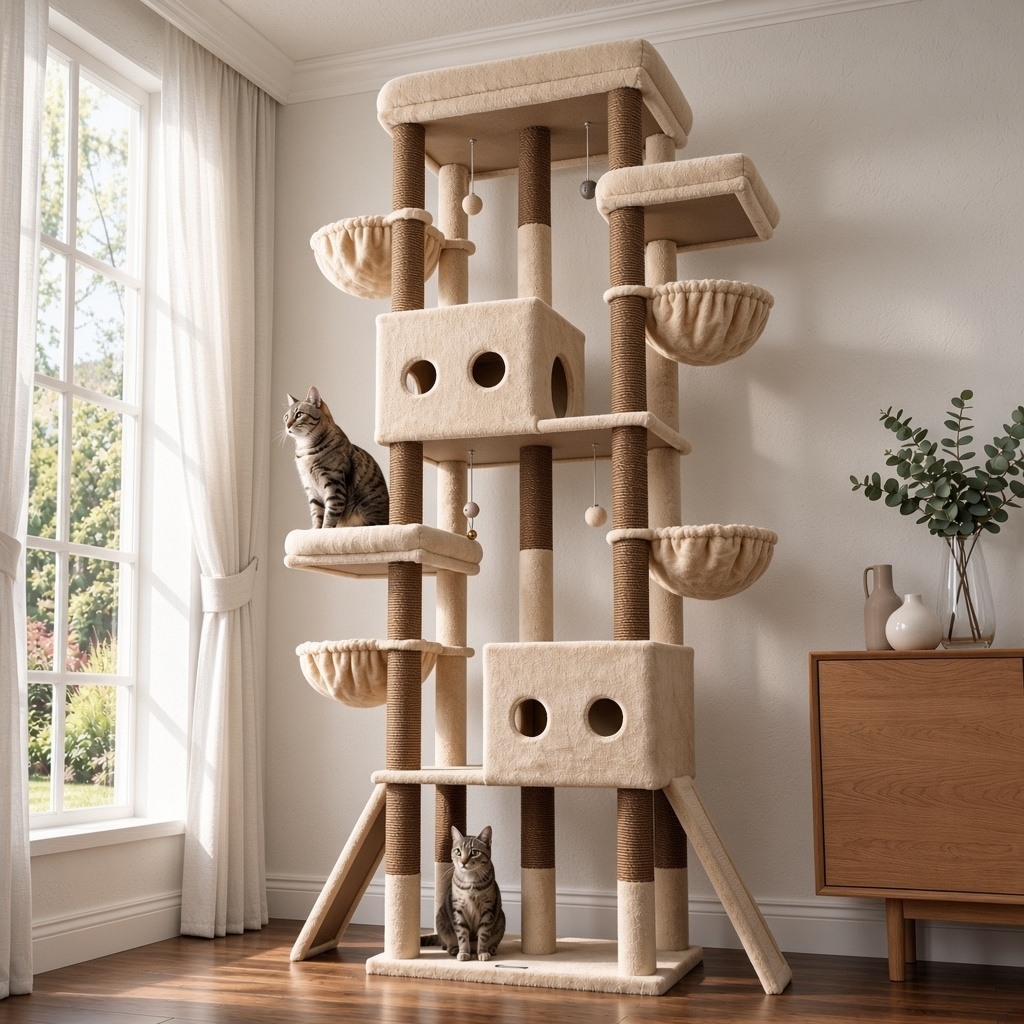
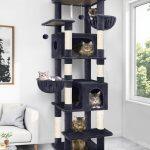
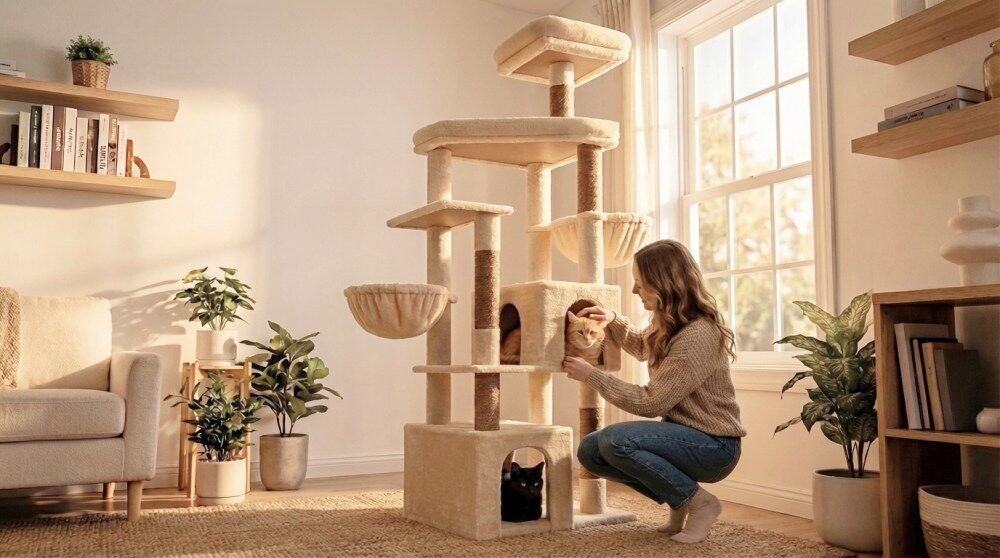
Pet furniture is borrowing architectural language because homes are borrowing pet needs into spatial planning. A tall cat tree is no longer “a thing for cats in the corner.” It is a vertical element—height, rhythm, proportion—that competes for the same attention as shelving, windows, and seating geometry.
Architectural thinking shows up in honest structure: posts that read as posts, platforms that read as landings, materials chosen for touch and wear rather than faux branches that age into clutter. It also shows up in proportion discipline—landings sized for pauses, bases sized for planted stability, silhouettes that respect ceiling lines instead of fighting them. When renovation mood boards include pet routes, designers treat towers like furniture elements specified alongside bookshelves and window benches.
The shift is behavioral as much as visual. Cats need vertical territory; humans need rooms that photograph calmly. Architectural pet furniture bridges both by placing climb lines where sightlines already flow—beside oak shelving, adjacent to window glass, off main walkways so kitchen traffic stays clear. Multi-cat homes benefit from separated up-and-down paths that read like circulation planning, not accidental pile-ups.
Novelty pet furniture asks for attention. Architectural pet furniture asks for fit. That difference shows up in returns data summaries Industry Updates observers describe: color clash and wobble rank beside “cat won’t use it.” Structures that look specified on day one survive sofa refreshes because their palettes were disciplined—beige, soft grey, controlled two-tone—from the start.
Globlazer briefs increasingly sound like small architecture reviews: Does the base plant? Does the vertical rhythm echo the room? Can modules extend without breaking composition? Our product team answers with wider footings, modular connectors, and neutral envelopes that let families edit throws and rugs without obsolete towers.
As more households plan pet space upfront, the category will keep moving toward structures that look like they belonged in the first layout drawing—not improvised after move-in weekend. Pet furniture becoming architectural is really pet needs becoming room-scale. The tower is finally treated as vertical furniture, because that is what open-plan life required all along.
Lighting plans illustrate the point. Floor lamps, sconces, and window walls already define vertical rhythm; a well-proportioned cat tree participates in that rhythm instead of interrupting it. Designers sketch climb lines beside circulation paths the way they sketch seating groups—because cats use those paths daily, even when humans forget to measure them.
Globlazer engineering reviews now include ceiling-line checks and sightline tests from kitchen entries—small rituals that sound architectural because the product is architectural. The category’s future belongs to towers specified with the room, not squeezed into whatever corner remains.
That specification mindset is spreading from design media into everyday purchases—renters measure window walls, owners sketch pet routes beside TV placement, and towers that fail those tests leave faster than they used to.
Multi-cat households push the architectural story further. Separated up-and-down paths reduce conflict without adding floor clutter—vertical circulation planned like human traffic, with landings sized for pauses instead of photo props. Globlazer mid-tower widths reflect that behavior: large cats need honest pauses, not decorative shelves.
Even finish choices borrow architecture. Matte neutrals that read under daylight, sisal with woven texture instead of plastic gloss, platform edges with controlled curves—these are façade decisions in the architectural sense. They tell the room how seriously to treat the object.
When a tower passes that test, it stops reading as pet gear and starts reading as part of the layout—specified, planted, calm.
Globlazer continues to widen mid-level landings and planted bases because architectural fit is measured in daily routes—not catalog renders alone.
That is the difference between novelty and architecture: one performs for a photo, the other survives breakfast traffic and evening lounging alike.
New Arrivals
Fresh designs, new colors, and limited releases for modern cat homes.